Call Us & Get Prequalified For Your Loan

First Capital Business Finance

Bad Credit Startup Business Loans: How to Qualify and Where to Look

Bad Credit Startup Business Loans: How to Qualify and Where to Look

Starting a business is hard enough. Starting one with bad credit can feel like every door is closed before you knock. Banks want years of history, strong credit, and tax returns you don’t have yet. But a low score doesn’t mean you’re out of options. It means you need to know which types of startup business loans actually work with bad credit, and what you can bring to the table to make a lender say yes.

First Capital Business Finance covers the startup loan options that are realistic with bad credit, the red flags to avoid, and practical steps you can take right now to improve your chances of approval in this guide:

TLDR:

  • Yes, you can get a startup business loan with bad credit, but expect fewer options, higher rates, and more questions than a borrower with strong credit.
  • Collateral is your best friend. Equipment financing and asset-based loans are often the most accessible options because the asset secures the loan.
  • Unsecured startup loans for bad credit are rare and expensive. If a lender has no collateral, no credit, and no sales history to go on, there is little to approve.
  • “Guaranteed approval” is a red flag. No legitimate lender can promise approval before reviewing your application.
  • You can improve your odds by fixing credit report errors, writing a solid business plan, showing industry experience, adding a co-signer, and putting money down.
  • First Capital offers programs built for startups, including bad-credit equipment financing. Call 888-565-6692 to see what you prequalify for.

Can You Get a Startup Business Loan With Bad Credit?

es, but it works differently than a traditional bank loan. Most banks and SBA lenders look for an established business with good personal credit, a few years of history, and steady revenue. A startup with bad credit usually checks none of those boxes.

Alternative lenders take a broader view. Instead of relying only on your credit score, they may look at:

  • Collateral: equipment, vehicles, real estate, or receivables that secure the loan
  • Industry experience: years spent working in the field before going out on your own
  • Your business plan: realistic projections and a clear plan to repay
  • Cash you’re putting in: a down payment or your own investment in the business
  • A co-signer or partner: someone with stronger credit who shares responsibility for the loan

The tradeoff is cost. Bad credit business financing typically comes with higher rates, smaller loan amounts, or shorter terms than you’d get with excellent credit. The goal is to find financing you can comfortably repay, then use it to build the credit and track record that unlock better terms later.

What counts as “bad credit”?

There’s no single cutoff, but on the FICO scale, scores below 580 are generally considered poor, and scores from 580 to 669 are considered fair. Many traditional lenders want to see scores well above that range. Alternative lenders and asset-based programs are often more flexible, especially when the loan is secured.

Types of Startup Business Loans for Bad Credit

Types of Startup Business Loans for Bad Credit

Not every type of financing is a good fit for a new business with credit challenges. Here are the options worth exploring most, starting with the most accessible.

Startup equipment financing

Startup equipment financing

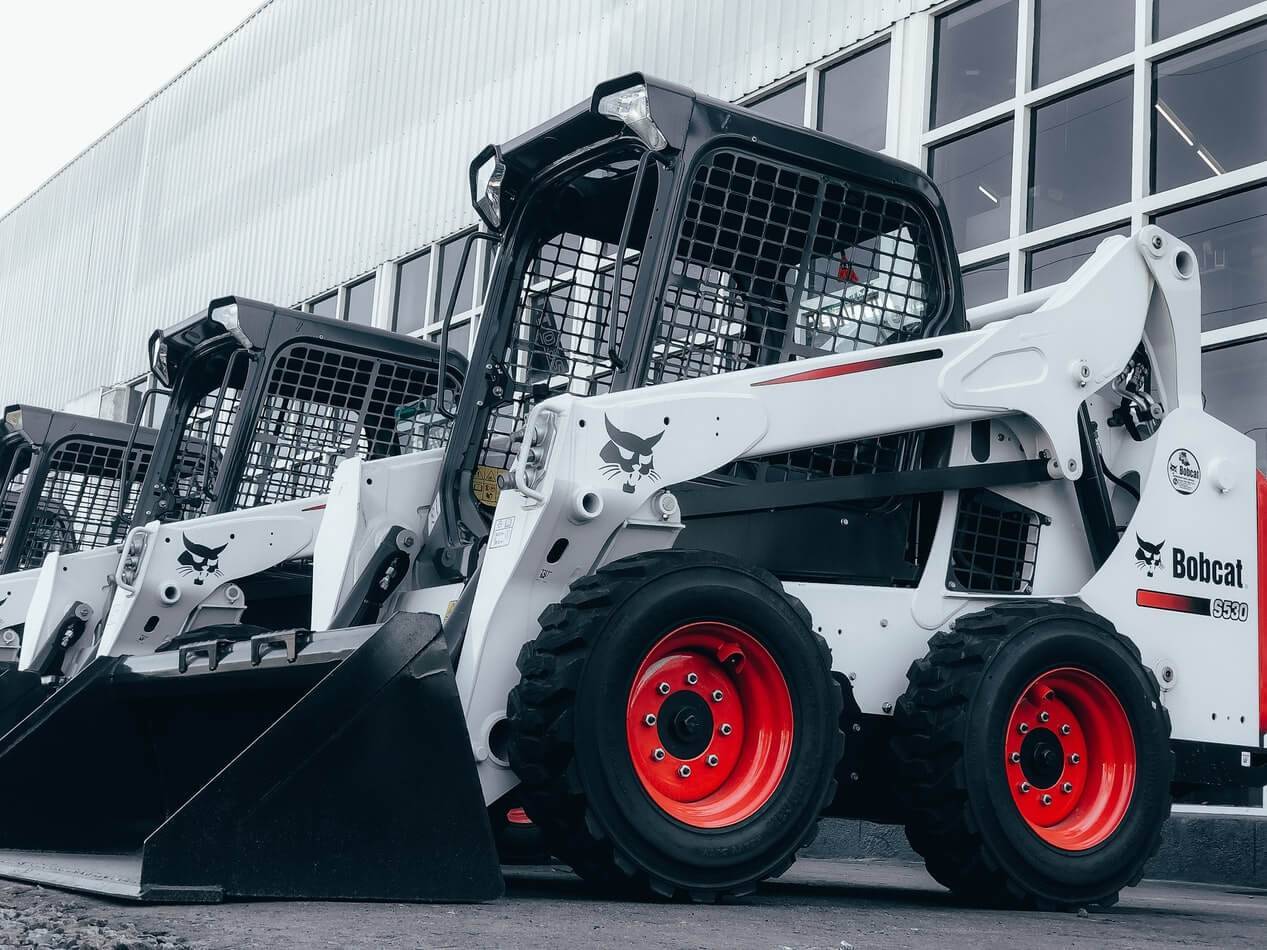
If your business needs equipment to operate, such as a truck, excavator, trailer, or machinery, equipment financing is often the easiest door to open. The equipment itself serves as collateral, which lowers the lender’s risk and makes approval possible even when credit is bruised.

First Capital has a wide range of equipment financing programs, including programs specifically for startups. Our bad credit equipment financing program is asset-specific and has some age and mileage limits on equipment, so it’s worth calling to see how your purchase fits.

Asset and collateral-based loans


Asset and collateral-based loans

Asset and collateral-based loans

If you already own valuable assets, such as paid-off equipment, a titled commercial vehicle, or real estate, you may be able to borrow against them. Approval focuses largely on what the asset is worth and whether you own it outright, so credit plays a smaller role. Learn more about commercial title loans and our other working capital loans.

Microloans

Microloans are smaller loans, often offered by nonprofit lenders and community organizations. The SBA Microloan program, for example, provides loans of up to $50,000 through nonprofit intermediaries. These lenders tend to be more flexible with credit and newer businesses, though some require business training or a detailed plan.

Invoice factoring

If your startup sells to other businesses and invoices on 30, 60, or 90-day terms, invoice factoring lets you turn unpaid invoices into cash now. Approval depends heavily on your customers’ ability to pay, not just your own credit.

Secured business credit cards and lines of credit

A secured business credit card or small line of credit won’t fund a full launch, but it can cover smaller expenses while building your business credit history. Used responsibly, it helps you qualify for larger financing down the road.

Merchant cash advances (use with caution)

A merchant cash advance (MCA) provides fast cash in exchange for a share of future sales, usually repaid through daily or weekly withdrawals. MCAs can be very expensive, and most require existing sales history, so they’re rarely a good fit for a true startup. If you do consider one, make sure you understand the total payback amount and how the payment schedule affects your cash flow.

Can You Get an Unsecured Startup Business Loan With Bad Credit?

Can You Get an Unsecured Startup Business Loan With Bad Credit?

It’s possible, but it’s the hardest combination to get approved for. An unsecured loan has no collateral behind it, so the lender relies almost entirely on your credit and revenue. A startup with bad credit usually has neither working in its favor.

When unsecured options are available, they tend to come with high rates, low amounts, and short terms. Most also require a personal guarantee, which means you’re personally responsible for the debt even without pledging specific collateral.

If you’re getting turned down for unsecured financing, adding collateral, a co-signer, or a down payment is usually the fastest way to change the answer.

Why "Guaranteed Approval" Is a Red Flag

Searching for bad credit startup business loans with guaranteed approval is understandable when you’ve been turned down before. But no legitimate lender can guarantee approval before reviewing your information. Offers that promise approval are often tied to:

  • Upfront fees charged before you receive any funding
  • Pressure to sign quickly without reading the terms
  • Vague or missing information about rates, total cost, or repayment
  • Lenders with no physical address, reviews, or verifiable history

A trustworthy lender will tell you what they need to review, explain your options, and give you clear terms in writing before you commit.

8 Tips to Qualify for a Startup Business Loan With Bad Credit

Qualification Tips

1. Check your credit report and fix errors

Start by pulling your personal credit reports. You can get free reports from all three bureaus at AnnualCreditReport.com. Look for accounts you don’t recognize, late payments that were actually on time, and balances that are reported incorrectly. Dispute anything that’s wrong, since errors can drag your score down for no reason.

2. Lower your balances and catch up on past-due accounts

Credit utilization, or how much of your available credit you’re using, has a big impact on your score. Paying down credit card balances and bringing any delinquent accounts current can raise your score faster than most people expect. Asking for a credit limit increase on existing cards can also lower your utilization ratio, as long as you don’t use the extra room.

3. Write a business plan lenders can actually use

For a startup, the business plan does a lot of the work that business history would normally do. Lenders want to see:

  • Financial projections, including expected revenue and expenses
  • A cash flow forecast that shows how you’ll make loan payments
  • Profiles of the owners and key team members
  • Your marketing plan and how you’ll win customers
  • How you’ll use the loan funds

Keep your projections realistic. Overly optimistic numbers can hurt your credibility more than help it.

4. Highlight your industry experience

Lenders know that experience lowers risk. A truck driver who spent ten years behind the wheel before buying their own rig, or an operator who ran equipment for another contractor before starting a company, is a stronger applicant than someone new to the field. Put your experience front and center.

5. Offer collateral

Collateral can improve your chances of approval and help you get better terms. Equipment, vehicles, investment property, and business receivables may all work. Be careful about pledging your home. If the business struggles, you could put your house at risk.

6. Add a co-signer or partner with stronger credit

A co-signer with good credit, ideally 700 or higher, can make a big difference, especially for larger loans. Just make sure both of you understand that the co-signer is legally responsible for the debt if you can’t pay.

7. Put money down

Investing your own money shows lenders you have skin in the game and reduces the amount you need to borrow. Even a modest down payment can turn a decline into an approval, particularly with equipment financing.

8. Start building business credit now

Get an EIN, open a business bank account, and keep your business finances separate from your personal finances. Work with vendors and suppliers that report payments to business credit bureaus. Over time, a strong business credit profile reduces how much lenders rely on your personal score.

How to Choose a Bad Credit Business Lender

Some lenders that work with bad credit borrowers charge extremely high rates and require repayment over just a few months. Before you sign, compare offers using more than just the approval:

  • Total cost: Ask for the total payback amount, not just the rate or factor rate.
  • Payment schedule: Monthly payments are much easier to manage than daily or weekly withdrawals.
  • Term length: A longer term means a lower payment, which protects your cash flow while the business grows.
  • Fees: Ask about origination, documentation, and prepayment fees.
  • Priorities: Decide ahead of time whether a lower payment or a lower total cost matters more to you.

Comparing a few offers side by side is the best way to avoid getting locked into financing that strains your startup from day one.

How First Capital Helps Startups With Bad Credit

At First Capital Business Finance, we work with new businesses and owners with less than perfect credit every day. We look at the full picture, including your equipment, industry experience, and business plan, not just your score.

  • Startup programs: We have a wide variety of programs built specifically for startups.
  • Bad credit options: Explore our bad credit business loans and bad credit equipment financing.
  • Simple applications: Most equipment programs are application-only, with no proof of income required.
  • Fast decisions: Typical approvals take about 24 hours.
  • Monthly payments: Equipment finance terms run from 12 to 72 months with fixed monthly payments.

Not sure where you stand? A quick call to First Capital Business Finance can tell you which programs you may qualify for and what documents you’ll need. Call 888-565-6692 or contact us to get started.

Frequently Asked Questions

Can I get a startup business loan with bad credit and no money?

It’s difficult, but not impossible. Some equipment leasing programs require little to no money down. However, with bad credit and no down payment, lenders will usually look for something else to offset the risk, such as collateral, a co-signer, or strong industry experience.

What credit score do I need for a startup business loan?

It depends on the lender and the type of loan. Banks and SBA lenders generally want good credit. Alternative lenders and collateral-based programs can work with lower scores, especially when the loan is secured by equipment or other assets.

Are there startup business loans for bad credit with no collateral?

Unsecured options exist but are limited and usually come with high rates, low amounts, and short terms. Most also require a personal guarantee. Secured financing is generally a more realistic path for startups with bad credit.

Are guaranteed approval startup loans real?

No. Legitimate lenders review your information before approving a loan. Be cautious of any lender that guarantees approval or asks for fees before you’re funded.

Can I get startup equipment financing with bad credit?

Yes. Equipment financing is often one of the most accessible options for startups with bad credit because the equipment secures the loan. First Capital offers bad credit and startup equipment financing programs. Call 888-565-6692 to learn what you prequalify for.

How fast can I get approved?

With many of First Capital’s equipment programs, approval takes about 24 hours, and funding can happen in as little as 24 hours depending on the equipment and amount.

Bad Credit Doesn't Have to Stop Your Startup

A low credit score makes startup financing harder, but it doesn’t make it impossible. Focus on secured options like equipment financing, strengthen your application with a solid plan, experience, and collateral, and avoid lenders that promise too much. When you’re ready to talk through your options, call First Capital Business Finance at 888-565-6692. We’ll help you find a program that fits where your business is today.

Recent Posts

    Same Day Loan Approval