Getting turned down by a bank does not mean there are no other options. A lot of business owners assume that a low credit score closes every door, but that is not how alternative and asset-based business financing works. Lenders outside the traditional banking system evaluate more than a credit score, and for many businesses with imperfect credit, that difference is what makes financing possible.
This article pulls together why banks decline credit-challenged applicants, how alternative lenders look at those same files differently, what types of financing are available, and what steps actually improve a business owner’s position.
TLDR
- Bad credit does not automatically prevent approval for business financing. It means your application gets evaluated on more factors, not fewer.
- Banks focus heavily on credit score. Alternative and asset-based lenders also consider collateral, business revenue, down payment, time in business, and industry experience.
- Equipment financing, working capital loans, commercial title loans, and business cash advances are among the options available to credit-challenged business owners.
- A larger down payment or collateral position can compensate for a lower credit score in many programs.
- If a bank declined you, that is not the end of the road. Alternative lenders exist specifically for business profiles that banks will not touch.
Why Banks Say No and Why That Is Not the Full Picture

Traditional banks set underwriting standards that prioritize credit score above most other factors. If an applicant falls below their threshold, the file is declined regardless of how strong the rest of the application might be. This is not a judgment about the business owner as a person. It is a feature of how bank loan committees are structured: consistent, standardized criteria with little room for case-by-case evaluation.
That structure works well for borrowers with strong credit histories. For everyone else, it produces a yes-or-no outcome that ignores context. A business owner who went through a personal financial hardship, a pandemic-related revenue disruption, or a period of medical bills that damaged their credit may still run a profitable, well-managed business. A bank’s model often cannot account for that.
Alternative and asset-based lenders are built differently. They look at the whole file. That does not mean they approve everyone, and it does not mean imperfect credit goes unnoticed. It means the evaluation uses more factors, which gives applicants more ways to demonstrate creditworthiness beyond the score itself.
What Alternative Lenders Actually Look At

The factors that carry weight in alternative and asset-based financing include more than just credit. Understanding what they are is the first step toward putting together the strongest possible application.
Collateral and Equipment Value
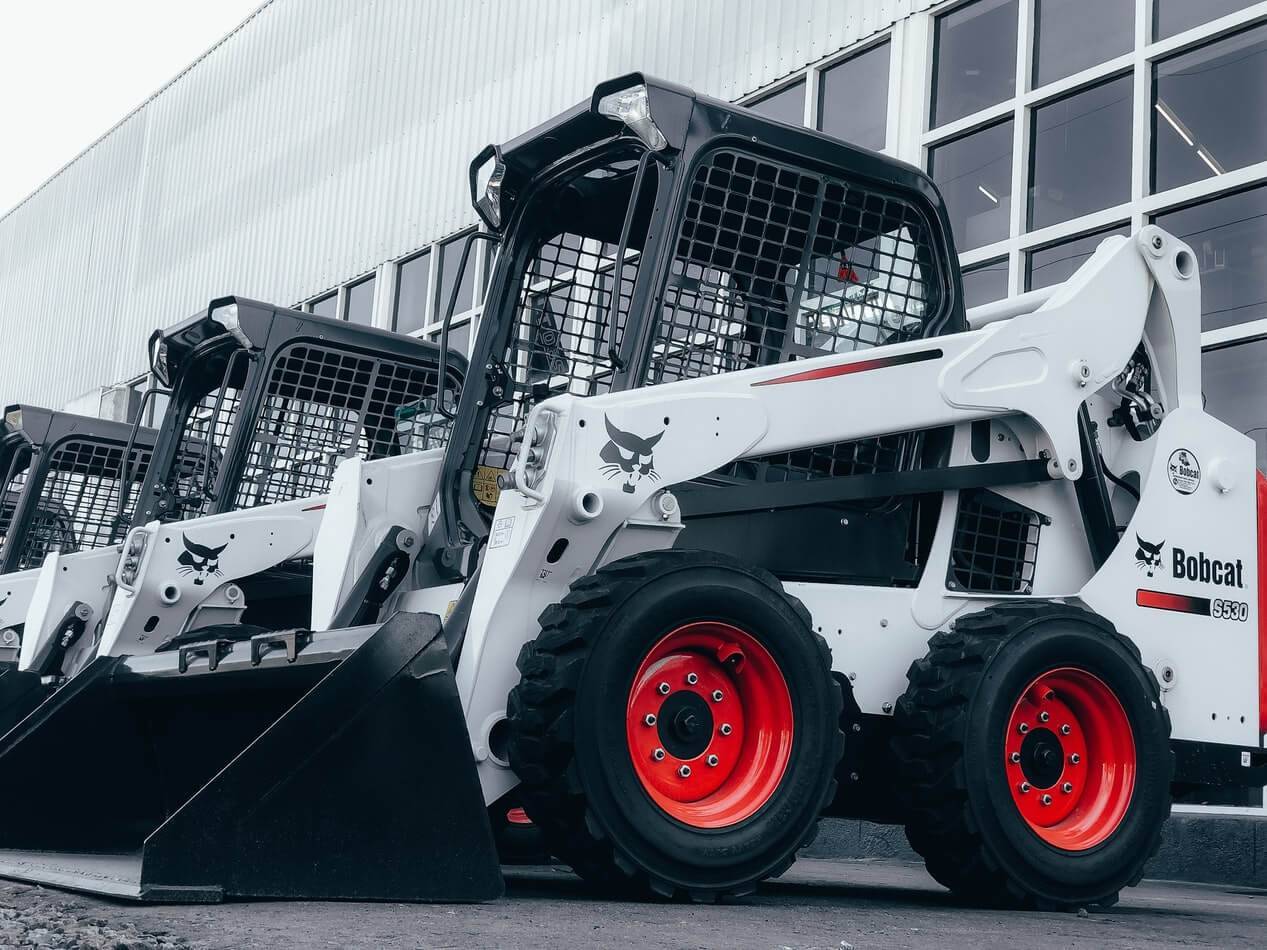
In asset-based financing, the equipment or asset being financed serves as collateral for the transaction. A lender who can clearly value the asset and knows it could be recovered and sold in a default scenario carries less risk than one with no collateral at all. This is why equipment financing is often more accessible to credit-challenged applicants than unsecured loans. The equipment itself is part of the security. Heavy equipment, commercial trucks, and manufacturing machinery can all function as collateral in the right program.
Business Revenue and Bank Activity
Consistent business revenue is a strong signal to alternative lenders. Three to six months of business bank statements showing regular deposits and healthy balances tells a story that a credit score cannot. If the business is generating revenue and managing its accounts responsibly, that activity is visible in the statements and counts meaningfully in the evaluation.
Some programs do not require tax returns at all for qualifying transactions. Bank statements are the primary income verification. For newer businesses or those with complex tax situations, this can make a significant difference.
Down Payment and Skin in the Game
A substantial down payment reduces the lender’s exposure on the transaction. When an applicant puts up a meaningful percentage of the purchase price upfront, they are demonstrating commitment and reducing the loan-to-value ratio. In programs designed for lower credit tiers, a larger down payment is often the factor that makes approval possible when the credit score alone would not qualify.
The same logic applies to a security deposit in certain lease and financing structures. The applicant who has put real money into the deal is less likely to walk away from it.
Time in Business and Industry Experience
Longer time in business signals that the company has survived the early volatility that causes many businesses to fail. Even for startups, relevant industry experience on the part of the owner can compensate for the lack of an operating track record. A contractor with ten years of field experience starting their own company presents a different risk profile than someone with no relevant background at all. Some programs weigh that experience explicitly.
How Alternative Lenders Compare to Traditional Banks

The table below summarizes the key differences in how each type of lender approaches a credit-challenged application.
Factor | Traditional Bank | Alternative / Asset-Based Lender |
Primary focus | Credit score and financial history | Credit, collateral, revenue, down payment, business profile |
Imperfect credit | Typically declined below their threshold | May still qualify with compensating factors |
Startup businesses | Often requires 2 or more years in business | Some programs consider newer businesses |
Income documentation | Tax returns, financial statements typically required | Some programs are application-only or require bank statements only |
Bankruptcies, liens, repossessions | Usually disqualifying | Considered on a case-by-case basis in some programs |
Speed | Weeks to months | Faster in many cases; varies by program and documentation |
Not sure which program fits your situation?
Call 888-565-6692 to speak with a financing specialist.
A Real Example: When a Bank Said No and an Alternative Lender Said Yes
One file that illustrated this well involved a dental practice looking to purchase new and used equipment. The business owner had applied with a large equipment financing company, referred by the equipment vendor, and was declined. Here is how that file looked:
Illustrative past example (anonymized): Time in business: 15 months Annual gross revenue: approximately $750,000 Business owner credit score: 530 Loan amount requested: $67,000 Prior result: Declined by a major equipment financing company. Outcome with First Capital: Approved and funded within a few business days, allowing the client to purchase discounted equipment before the vendor sold it to another buyer. |
The lesson here was not that this client had exceptional credentials. The lesson was that the evaluation framework mattered. A large lender with rigid credit criteria declined the file. A lender willing to look at the revenue, the collateral, and the overall business picture found a workable path.
This is the experience many business owners have when they expand their search beyond their primary bank. The answer they got at one lender is not necessarily the answer they will get everywhere.
Types of Business Financing Available with Imperfect Credit

Not every financing product works the same way for credit-challenged applicants. Some are better suited to specific situations than others.
Equipment Financing and Leasing
Because the equipment serves as collateral, equipment financing is one of the more accessible options for business owners with imperfect credit. Programs exist for a range of credit profiles, with down payment and equipment condition playing a larger role as credit declines. Both new and used equipment can be financed through qualifying programs.
Commercial Title Loans and Loans Against Equipment
If a business already owns qualifying equipment or vehicles outright, that equity can be used to access working capital through a commercial title loan or loan against equipment. These are asset-based products where the collateral drives the approval more than the credit score. The business uses the owned asset to secure funding without selling it.
Business Cash Advance
A business cash advance (also called a merchant cash advance) provides working capital in exchange for a percentage of future business revenue. Approval decisions typically rely more on current revenue and cash flow than on credit history. This structure can work for businesses with strong sales activity but a damaged credit profile. The cost structure is different from a traditional loan, and business owners should understand the terms before proceeding.
Business Line of Credit
A business line of credit provides flexible access to funds up to a set limit, with interest charged only on the amount drawn. Some lines of credit are available to businesses with imperfect credit, though terms vary by lender. This can help cover short-term cash flow gaps without requiring a fixed monthly payment on a lump-sum loan.
What Makes an Application Stronger Regardless of Credit

For business owners with imperfect credit, the application is not just about the score. It is about what else can be demonstrated. These factors consistently help:
- Collateral quality. Equipment or vehicles with clear market value and a lien-free title strengthen the file.
- Consistent bank deposits. Six months of business bank statements showing regular revenue deposits is useful documentation even when tax returns are not required.
- A meaningful down payment. Putting more money down reduces risk for the lender and shows commitment to the transaction.
- A clear explanation for past credit issues. Many alternative lenders understand that circumstances change. A business owner who can explain what happened and what has changed is easier to work with than one who offers no context.
- Relevant industry experience. Demonstrated expertise in the business’s field is a compensating factor some programs consider explicitly.
- A co-signer with stronger credit. Adding a co-signer who will take responsibility for the debt if payments stop can improve approval odds and sometimes result in better terms.
One honest note: financing with imperfect credit typically costs more than financing with strong credit. Interest rates, factor rates, and down payment requirements reflect the additional risk the lender is taking. This is worth understanding before applying, not as a reason to avoid financing, but as a factor in evaluating whether the terms make sense for the specific business need.
Watch for Upfront Fee Scams

Not every company offering bad credit business loans is operating ethically. A common warning sign is a lender who charges a significant upfront fee before determining whether the applicant qualifies. Legitimate lenders evaluate the application before collecting substantial fees. If an offer seems too good to be true given your credit profile, investigate the company before sending any money or personal financial documents.
Frequently Asked Questions
Will applying for a business loan hurt my credit score?
A formal credit application typically triggers a hard inquiry, which can have a small temporary effect on personal credit. Many alternative lenders conduct a soft review of the application profile before a hard pull is required. Ask the lender how their process works before authorizing a hard inquiry.
Do I need a certain number of years in business to qualify?
Some programs require two or more years in business. Others do not have a strict minimum and rely instead on revenue, collateral, and the applicant’s profile. Startup businesses may qualify in some asset-based programs when compensating factors like a strong down payment or industry experience are present. Requirements vary by program and loan type.
What credit score do I need for a bad credit business loan?
Requirements vary by lender and product. Some alternative programs consider applicants with significantly lower scores than traditional banks require, particularly when the transaction involves strong collateral or a meaningful down payment.
Can I get financing if I have a prior bankruptcy, tax lien, or repossession?
In some asset-based programs, yes. These items do not automatically disqualify an application the way they would at most banks. The transaction as a whole is evaluated, with particular attention to collateral, current revenue, and time since the derogatory event. Outcomes vary by program and the specific circumstances.
How long does the process take?
Processing time depends on how complete the application is, how quickly documentation is provided, and which program is being used. Some transactions can move quickly once the file is complete. Delays usually come from missing documentation, seller verification, or lender response time. Incomplete applications extend the timeline significantly.
If You Have Been Declined, That Is Not the Final Answer
The most common reason business owners with bad credit do not pursue financing is that they assume the bank’s decision applies everywhere. It does not. The criteria banks use are not universal standards. They are that bank’s standards, and they were designed for borrowers who fit a specific profile.
Alternative lenders and asset-based financing programs exist because many creditworthy businesses do not fit that profile. A business generating real revenue, with a real need, and real collateral may have financing options that a bank decline does not reflect. The only way to know is to look past the first answer.
Ready to find out what options are available for your business?
A First Capital advisor can review your situation and tell you honestly what programs may fit you.