
Have you mobilized your emergency disaster clean-up business to help with the recent hurricanes? These past few months, the southeast part of our country has been tasked with some unusual and very emotional circumstances with the recent back-to-back hurricanes Helene and Milton. The affected areas have a daunting task at hand with restoring the damaged areas. Before anyone can think about the restoration and rebuilding, there is a massive amount of debris that will need to be cleared and hauled away. According to state officials, they are focusing on recruiting out of state companies and contractors to assist with the cleanup. The areas that were affected, are in desperate need of specialized companies that can help with debris removal, for both on land and on the waterway.

Experts are estimating the cleanup will take well over a year, and we’re less than two months from when these hurricanes damaged those areas. We have noticed a big increase with business owners that have considered mobilizing their company to assist with the work needed down in Florida, North Carolina and Tennessee. The areas that have been hit the hardest will not only be needing debris removal companies, but they are also needing a wide array of specialized companies that can handle water restoration, heavy equipment operators, arborists, plumbing, and many more.
If you’re not already located in the area, you will have a slight disadvantage compared to those companies that are situated locally. Companies who are not close to those locations will have the added expenses with travel, fuel, manpower/employees, temporary housing, to name a few.
That’s where a company like ours can act quickly and assist with the expansion and relocation of your company. We’ve heard from a few companies that would want to take advantage of the much-needed work on the east coast. When we dug deeper, we learned there were two major reasons why these companies felt they wouldn’t be able to make the venture.
-
- Cash flow: Some companies don’t have the extra capital that it will take for this investment.
-
- Reliable equipment: Having well maintained reliable equipment that will last you during your temporary stay will be important.
These jobs are handled a little differently, and if you’re not familiar with the workflow you need to learn now! When a disaster is declared, the city and county that goes through the affected areas and then the state approves it and then it will go to the region and then it goes to the president to get signed off and approved. FEMA will then grant territories/zones to designated contractors; these contractors are known as “Prime” contractors also known as “Tier 1” contractors. Those Prime contractors will then delegate contracts to Tier 2 contractors who will then subcontract out the work to other independent subcontractors.
This is where things might get messy. If you’re looking to be a sub, you will want to make sure you are subbing for a Tier 1 contractor. The lower down the totem pole, there’s a greater risk to you and not getting paid. If your company is under a tier 3 or 4, there’s a greater chance of one of those contractors breaking their commitment and defaulting on the payment that is due to your company.
We’re not saying that all lower tier subs act in dishonesty, but let’s face it… with more hands in the cookie jar there’s a greater chance one of those hands might not pay the funds that are due to you. Depending on the contract with the Prime contractor and FEMA, the pay schedule may differ depending on the contract and workload. Some contracts pay out in different pay schedules, and some of those pay schedules can take anywhere from 3 to 12 months depending on when the job is completed. Some might get paid as little as several weeks, but you as the business owner will need to have the capital to cover all expenses till you get paid. That’s where the cash crunch comes in, if you don’t have enough capital to cover your expenses like fuel, insurance, payroll, housing this can definitely deter contractors from committing to the work. First Capital Business Finance can assist those companies with invoice factoring, also known as “Account Receivable Financing”.
How does Invoice Factoring – Accounts Receivable Financing work?
Once the contractor has completed the work and submitted their invoice and reports for the completion of work to the contractor who they work for, the subcontractor can get up to 90% of the invoiced amount as an advance from the factoring company within 24 hours or less. The factoring company will remit the balance less the fee once they have received the invoice amount from the contractor. This type of financing is ideal for those businesses that are looking to expand their crew and/or fleet. To learn more about invoice factoring, you can call our office and speak with one of our advisors at 888-565-6692.
What about adding and financing additional equipment?
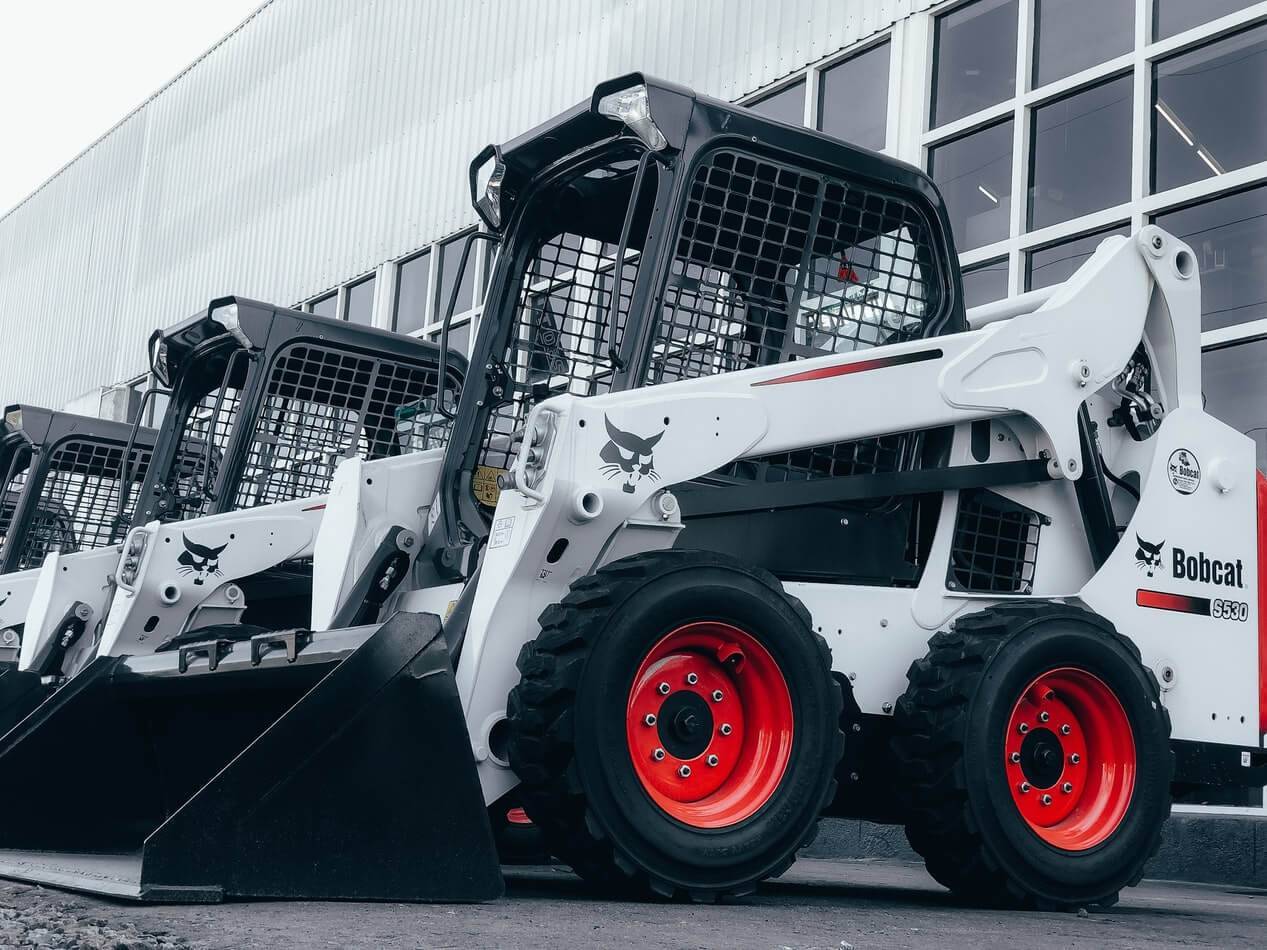
If you are looking at adding additional equipment or specialized equipment like grapple boom trucks, excavation equipment, dozers, or any other equipment, we can definitely assist with that as well. We have programs that will allow for lower credit for those who have challenging credit situations. Even if you have had a recent bankruptcy, we have programs that will qualify you based on your income and those programs don’t have a minimum credit score!
How do I become an approved vendor or contractor with FEMA?

If you are looking to get contracts with FEMA and become a Prime contractor or a subcontractor, you can reach out to FEMA directly, but that task can be very challenging. There are other third party consulting companies that offer services that will hold your hand through the process. Federal Award Management Registration is one of those companies, you can schedule a call with Ryan Webb. He will walk you through the different options available. To schedule that appointment click here.
If you are considering making the jump with your company, and assist with the disaster relief areas, here are just a few industries that are needed.
Power & Utility
Plumbing, Sewage, Waste, & Septic
Environmental & Industrial Clean-up
Here’s a quick list of the most common equipment that is needed for these areas. Keep in mind, we can assist with financing any type of equipment.
Mobile light plants
Tractors
Flatbeds
Weed Harvester – Aquatic Skimmers
Pump Trucks
Chippers & Stump Grinders
 As you can see, we have a wide array of solutions for financing equipment or invoice factoring. The best way to find out how we can structure your deal is to call one of our business development managers, they will guide you and can address any questions you might have. If you are needing financing for other types of equipment or if you are needing working capital, your advisor can help you with that as well! Feel free to call us at 1-888-565-6692.