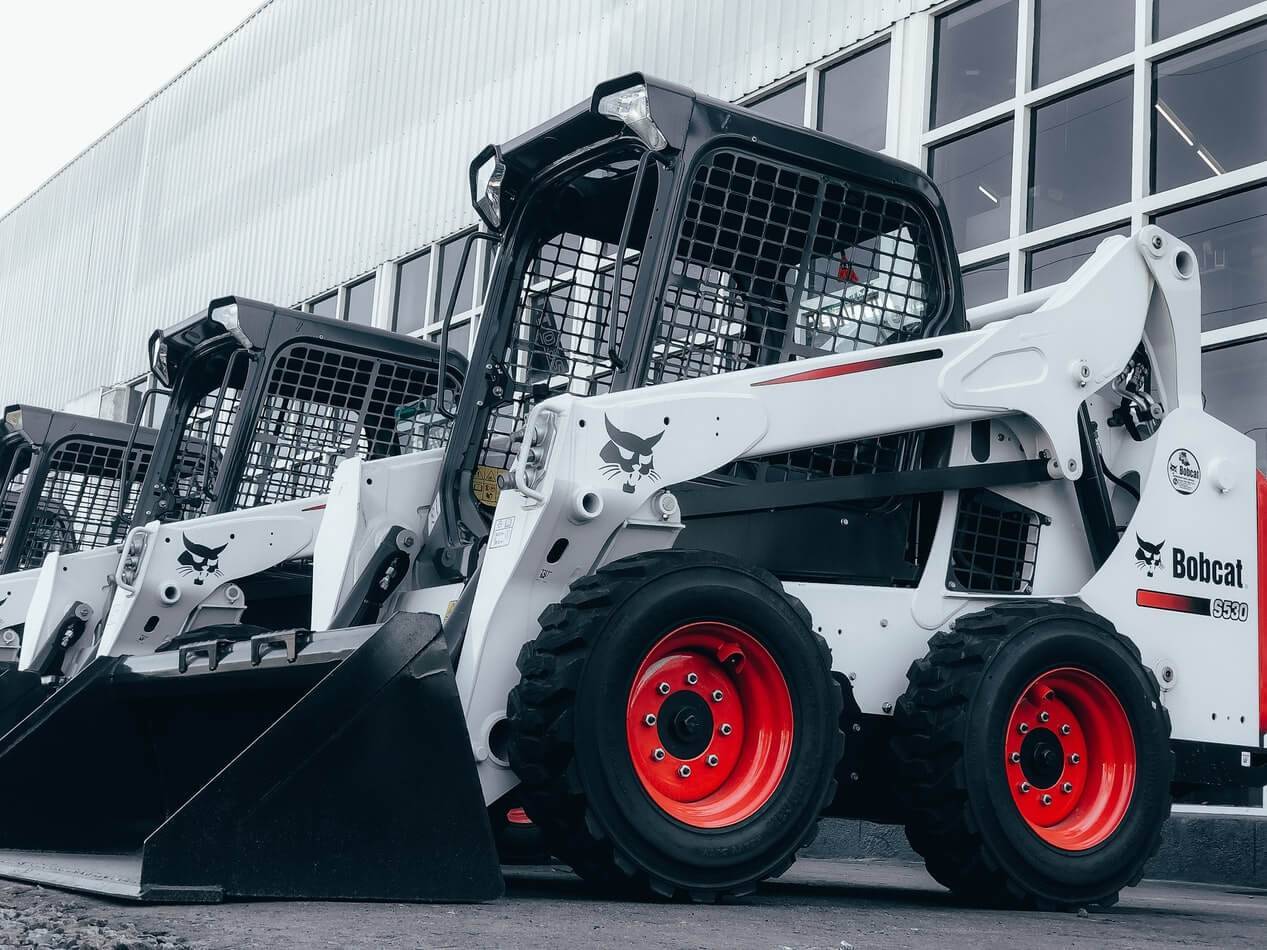


Planning ahead for new equipment is one of the smartest ways to keep your business competitive. Whether you operate in construction, transportation, agriculture, or any industry that relies on heavy machinery or commercial trucks, including Equipment Financing in your yearly budget can help you avoid unexpected costs. More companies across the United States are searching online for flexible lending solutions that do not require perfect credit or long approval times. This makes proper financial planning essential for long-term business success.
Traditional banks often require lengthy documentation, strict credit requirements, and slow underwriting. For many business owners, that is simply not practical. Instead, small and mid-sized companies are turning to alternative lenders that understand real-world challenges and can provide faster approvals. If you are preparing your next annual business plan, this guide will show you how to incorporate equipment financing in a simple, strategic, and cost-effective way.
Why Equipment Financing Should Be Included in Your Annual Budget
New machinery, trucks, or attachments are major investments. Including these expenses upfront keeps your budget accurate and helps you forecast the total cost of ownership over time. Clear planning also allows you to adjust your tax strategy and cash flow so your business can grow without financial strain.
Understanding the Total Cost of Equipment Ownership
Before choosing financing, you need to account for more than just the purchase price. Equipment ownership includes:
- Monthly payments on a loan or lease
- Routine maintenance and repairs
- Fuel or operating expenses
- Insurance and registration costs
- Depreciation over the equipment life cycle
Planning ahead ensures that you have the right cash reserves and the right funding partner when you need equipment quickly.
How Equipment Loan Planning Helps You Avoid Financial Surprises
Using equipment loan planning in your yearly budget makes it easier to determine how much financing your business can comfortably support. Instead of paying a large amount up front, financing allows you to spread the cost over time. This protects your cash flow and frees capital for payroll, fuel, materials, and unexpected expenses throughout the year.
Estimating Monthly Payments for Heavy Equipment or Trucks
Once you know what equipment you may need, start estimating the financing costs. Many online lenders can provide quick soft pull pre-approvals. You can also calculate approximate monthly payment ranges based on your credit tier, time in business, and equipment type.
Useful categories to include in your budget are:
- Loan amount needed for each piece of equipment
- Estimated rates and terms available for your credit profile
- Total projected interest over the loan term
- End-of-term options if considering a lease
Including these numbers early gives you a clearer picture of how equipment payments will fit into your yearly cash flow structure.
Capital Expenditure Budgeting for Growing Companies
Capital expenditure budgeting is the process of planning major investments, such as heavy machinery, fleet trucks, or commercial equipment. This type of budgeting helps determine which equipment purchases are essential, which can be delayed, and which should be financed instead of purchased outright.
Prioritizing Equipment Based on Business Needs
Ask yourself the following questions when planning capital equipment purchases:
- Which equipment directly generates revenue
- Which equipment is outdated or needs replacement
- How much downtime results from repairs on older machinery
- Whether financing or leasing would reduce upfront costs
Using this process helps you create a practical roadmap for acquiring new equipment during the year. It also reduces the risk of overspending or taking on unexpected operational expenses.
Including Financing Costs in Your Yearly Business Budget
One of the most overlooked parts of budgeting is calculating the long-term costs associated with financing. Including financing costs in your yearly budget ensures that you do not underestimate your monthly obligations. These costs may include interest, loan fees, or leasing charges, depending on the structure you choose.
How to Accurately Forecast Financing Payments
When creating your equipment budget, consider the following:
- Total cost of equipment, including taxes and delivery
- Down payment requirements for your credit tier
- Projected interest rates
- Loan length and monthly estimated payments
- Maintenance and warranty coverage
These numbers allow you to build a complete picture of your equipment operating expenses. The goal is to create a budget that your business can sustain even during slower months or seasonal fluctuations.
How Machinery Financing Forecast Improves Long-Term Planning

Another helpful budgeting tool is creating a machinery financing forecast. This forecast outlines when you expect to purchase or replace equipment over the next one to five years. It also helps you prepare for future expansion without disrupting your yearly financial goals.
Using Forecasting Tools to Predict Equipment Costs
Forecasting equipment needs allows you to align your financing strategy with your business cycle. For example, a construction company may need more machinery in spring and summer. A trucking company may expand its fleet before securing new contracts.
According to the Equipment Leasing and Finance Association:
“Nearly eight out of ten U.S. businesses use equipment financing to acquire the equipment they need to operate.” –ELFA
This shows how critical financing is to everyday operations for businesses across the United States.
Where to Find Flexible Equipment Financing Options
For many business owners, traditional banks may be too slow or too restrictive. This is why more companies are working with online lenders that specialize in heavy equipment financing, commercial truck funding, and start-up business loans. These lenders often offer:
- Fast pre-approvals
- Financing for all credit types
- Leasing or loan options
- Support for older equipment or used trucks
- Same-day funding on many deals
Key Takeaways for Budgeting Equipment Financing in Your Annual Plan
Adding equipment financing to your yearly budget is one of the smartest ways to plan for growth. It helps you prepare for new contracts, avoid cash flow problems, and stay competitive in your industry. With proper planning, you can choose a financing structure that fits your business model and keeps your operations running smoothly all year long.
If you want to explore flexible funding options for trucks or heavy equipment, visit First Capital to learn more.
Industry Statistic: According to the Equipment Leasing & Finance Association,n the U.S. equipment finance market is estimated to exceed 1 trillion dollars annually, according to the Equipment Leasing and Finance Foundation.
Financial Disclaimer
The information provided is for educational and informational purposes only. The content on this website is not intended to be a substitute for personalized financial advice. Please consult a certified financial professional before making any investment decisions or financial plans. Any financial information presented is for general informational purposes and does not constitute financial or investment advice.