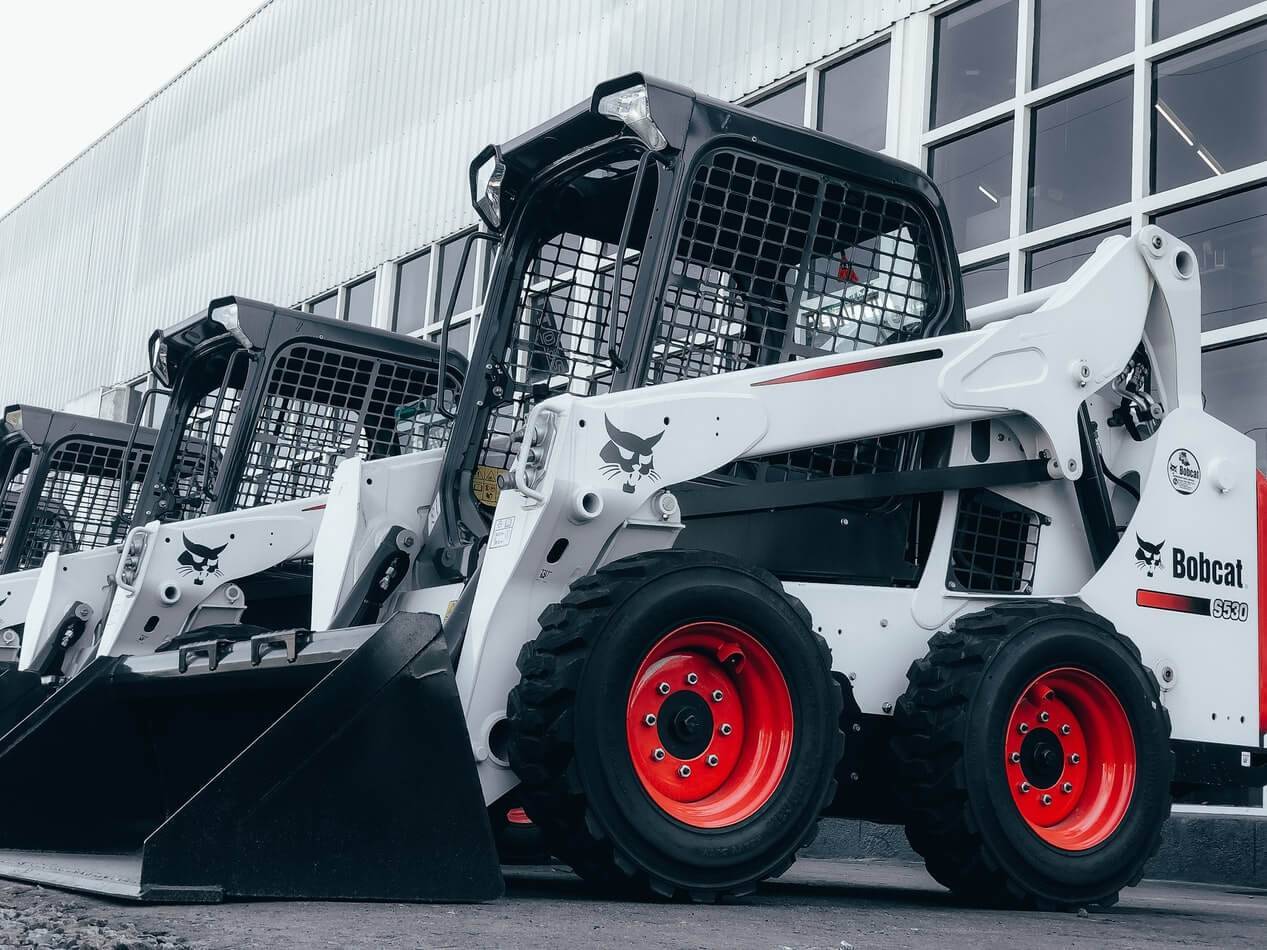

Credits: Cutting Edge Engineering Australia
The sight of a broken-down excavator sitting idle on a construction site or the yard, might cost thousands per hour. That’s why equipment repair services keep the construction world spinning, even when things go wrong.
Mobile repair trucks roll up to job sites daily, packed with tools and diagnostic gear (including specialized computers worth upwards of $5,000). These mechanics know time equals money. They fix problems right where they happen, from blown hydraulic lines to faulty electrical systems.
Shop repairs handle the bigger stuff. Picture a 25-ton dozer getting its engine rebuilt in a climate-controlled bay, or a loader’s transmission getting torn down on a spotless concrete floor. These places have heavy lifting equipment like cranes and precision tools that mobile crews just can’t bring along.
Smart operators don’t wait for stuff to break. They schedule:
- Oil changes every 250-500 hours
- Filter swaps when sensors say so
- Grease points hit daily
- Fluid analysis quarterly
Some outfits stick to what they know best. Maybe they just do hydraulics, or they’re certified CAT mechanics who know those machines inside and out. Makes sense – these aren’t your regular car engines we’re talking about.
A good maintenance schedule costs way less than emergency fixes. Get your equipment checked regularly, keep those service records, and find a repair crew you trust before you need one.
Heavy Equipment Repair Near Me
Finding a repair shop that knows their way around heavy iron isn’t as simple as picking the closest one on Google Maps. The right crew makes all the difference between getting back to work fast or watching money drain away with every idle hour.
- Atlas Machine and Supply‘s been fixing big equipment since before trucks had engines (founded 1907). Their Louisville shop has some serious muscle – we’re talking overhead cranes that can lift 60 tons like they’re picking up lunch. They’ll send teams anywhere east of the Mississippi within 24 hours.
- Nortrax (John Deere’s repair folks) spreads across 55 locations in the northern states. Their techs get factory training on the latest Deere iron, plus they work on most other brands too. Each shop keeps about $2.5 million in parts on hand – which means less waiting around for stuff to ship.
Look for shops that:
- Are ASE certified mechanics
- Keep mobile crews ready 24/7
- Stock common parts
- Give written estimates
- Show up when they say they will
Best bet? Find your repair crew before something breaks. Get their cell numbers, know their rates, and maybe even have them service your equipment regularly. This is also a great way to see the quality of their work. Building relationships in advance is a huge benefit, that way when something goes sideways at 3am, you’re not stuck thumbing through the phone book hoping for the best.
Choosing the Best Heavy Equipment Repair Provider

The roar of diesel engines and hydraulic pumps fills the air at construction sites across America, but what happens when those sounds stop? That’s when picking the right repair crew for automotive repair makes all the difference.
Local Shops vs Big Names
Small repair shops around town:
- Know your business by name
- Show up quickly when things break
- Might work with your schedule better
- Usually costs less per hour
The nationwide companies:
- Have parts in stock
- Use fancy diagnostic tools
- Train their people regularly
- Follow strict repair rules
What to Look For
Your repair team needs the right papers (ASE certs are pretty much a must these days) and at least 5-10 years of turning wrenches on heavy iron. Good shops keep detailed maintenance records and probably use some kind of digital tracking system (though the old paper logbooks work fine too).
Most repair outfits say they’re available 24/7, but you have to check if they really show up at 2 AM when your excavator’s down. Smart move is calling their after-hours number on a Tuesday afternoon – see how fast they pick up.
The Money Part
Hourly rates run between $85-$150 depending on where you’re at. Parts markup usually hit around 20-35% above cost. Watch out for shops charging flat-rate prices on everything – equipment repair isn’t that simple.
Best bet? Find someone who’ll come to your site, carry common parts in their truck, and knows what they’re looking at without having to phone home every five minutes. And yeah, maybe check some reviews online, but talking to other contractors in your area tells you way more.
Short on Cash to Pay for the Repairs
If the repairs are going to cost more than you expected, and if you are short on capital, you can always call a company who specializes in financing those repairs. That’s where First Capital Business Finance can help, we offer several types of programs that can help with obtaining some working capital. Even if your equipment isn’t owned outright and if you don’t own any other collateral, we do offer solutions based on your monthly cash flow. Even if you have challenging credit, we have programs that allow for credit scores as low as 480. To learn more about our programs and if you qualify, speak to one of our advisors and call 888-565-66952. If you prefer to use our chat feature, our help desk with a live person is available in the lower right corner of our website.
When Big Iron Acts Up: Common Equipment Problems
That grinding sound from your excavator? Yeah, it’s trying to tell you something. Smart operators catch these warning signs before they turn into major headaches – and major bills.
Engine Problems (The Heart of the Beast)
Machines run hot these days – most diesels hit about 190-210°F under load. When temps creep higher, you’re looking at:
- Clogged radiators
- Bad thermostats
- Failing water pumps
- Low coolant levels
Hydraulic Headaches
Those smooth lifts and swings need clean fluid (ISO 4406 code 16/14/11 or better). Watch for:
- Jerky movements
- Slow response times
- Weird noises when lifting
- Hot fluid (shouldn’t pass 180°F)
Electrical Gremlins
Modern equipment has more computers than a small office. Common trouble spots:
- Corroded connections
- Broken sensor wires
- Dead batteries (even with good alternators)
- Glitchy control modules
Tracks and Wheels
Ground pressure matters – a D6 dozer puts down about 6.5-8.5 psi. Keep an eye on:
- Missing or loose track pads
- Uneven tire wear patterns
- Bent idlers or rollers
- Packed mud between components
Fix the small stuff now or pay a lot later. Most catastrophic failures start with tiny warnings nobody caught in time.
Keep That Iron Running: Smart Maintenance Tips
Nobody likes surprise breakdowns. Smart operators know the secret – catch problems while they’re cheap to fix. Here’s what works.
Daily Checks (Before the Key Turns)
Walk around checks matter:
- Fluid levels (when engine’s cold)
- Grease points (still see fresh grease?)
- Track tension (about 2-3 inches sag)
- Warning lights and gauges
- Leaks or drips underneath
The Important Numbers
Most equipment needs:
- Oil changes every 250-500 hours
- Hydraulic fluid analysis every 1000 hours
- Fuel filters every 500 hours
- Air filters when the indicator shows
- Grease points daily (or every 10 hours)
Site-Specific Stuff
Dusty sites kill air filters fast. Mud wrecks tracks. Heat makes everything worse. Adjust your schedule based on:
- Ground conditions
- Temperature ranges
- Operating hours
- Load factors
Documentation Counts
Keep records of:
- Hour Meter Readings
- Parts replaced
- Fluid analysis results
- Repair costs
- Downtime incidents
Good maintenance isn’t cheap, but it’s way cheaper than major repairs. Most machines last 12,000-15,000 hours when maintained right – half that when they’re not.
Making Sense of Heavy Equipment Repair Costs
Money talks in the equipment world. Smart fleet managers know how to stretch their maintenance dollars without cutting corners. Here’s the real deal on costs.
The Numbers Game
Typical repair costs run:
- Basic service: $250-500
- Minor repairs: $1,500-3,000
- Major overhauls: $15,000-50,000
- Emergency calls: Add 50-100% premium
Service Plans That Work
Monthly agreements usually cover:
- Regular inspections
- Filter changes
- Fluid sampling
- Minor adjustments
- Priority service
The Real Cost of Breakdowns
When a machine stops:
- Crew stands idle ($45-65 per person/hour)
- Project delays pile up
- Rental equipment needed
- Rush repair charges kick in
Smart Money Moves
Budget about 15% of equipment value yearly for maintenance. Split it like:
- 60% planned maintenance
- 25% minor repairs
- 15% emergency fund
It’s better to spend $500 monthly on prevention than $15,000 suddenly on failure. Good maintenance isn’t cheap – but bad maintenance costs more.
When Repairs Can’t Wait: Mobile Fix-it Teams
Broken equipment doesn’t care about your schedule. That’s where mobile repair crews earn their keep – bringing the shop right to your dirt.
What Rolling Repair Shops Pack
Today’s service trucks carry:
- Diagnostic computers
- Welding gear
- Common parts stock
- 100-gallon fuel tank
- Air compressors
- 2-ton crane capacity
Response Times Matter
Most crews promise:
- 30-60 minutes for emergency calls
- 2-4 hours for urgent repairs
- Next day for routine stuff
- Weekend coverage (usually extra)
The Smart Way to Use Mobile Service
Keep your mobile team’s number handy. Tell them:
- Machine make/model/year
- Hour Meter reading
- Warning lights/codes
- Fluid leaks or noises
- Site access details
Worth Every Penny
Mobile service runs $125-175 per hour plus travel. Sounds steep until you factor in:
- No towing costs
- Less downtime
- No shop rental fees
- Crews keep working
Good mobile teams fix 80% of problems right there in the dirt. That’s why the smart money keeps them on speed dial.
Stop Breakdowns Before They Start
That weird clunk from your loader? It’s sending you a message. Smart operators know the signs – and what they cost to ignore.
Watch For These Red Flags
Your iron talks to you:
- Black exhaust smoke
- Blue-tinted oil leaks
- Hot-running engines
- Delayed hydraulic response
- Metal shavings in filters
The Numbers Don’t Lie
Typical breakdown costs:
- 4-8 hours downtime
- $1,500-$3,000 in repairs
- Lost production time
- Rushed parts delivery
- Crew standing around
Smart Moves That Save Money
Keep track of:
- Hour Meter Readings
- Oil sample results
- Fuel consumption
- Hydraulic pressures
- Error codes
The Real Secret
Find a mechanic who knows your equipment. Tell them everything – even small stuff. Good mechanics spot patterns that save you money.
Most catastrophic failures give plenty of warning. Miss those signs and you’re looking at parts catalogs instead of production reports.