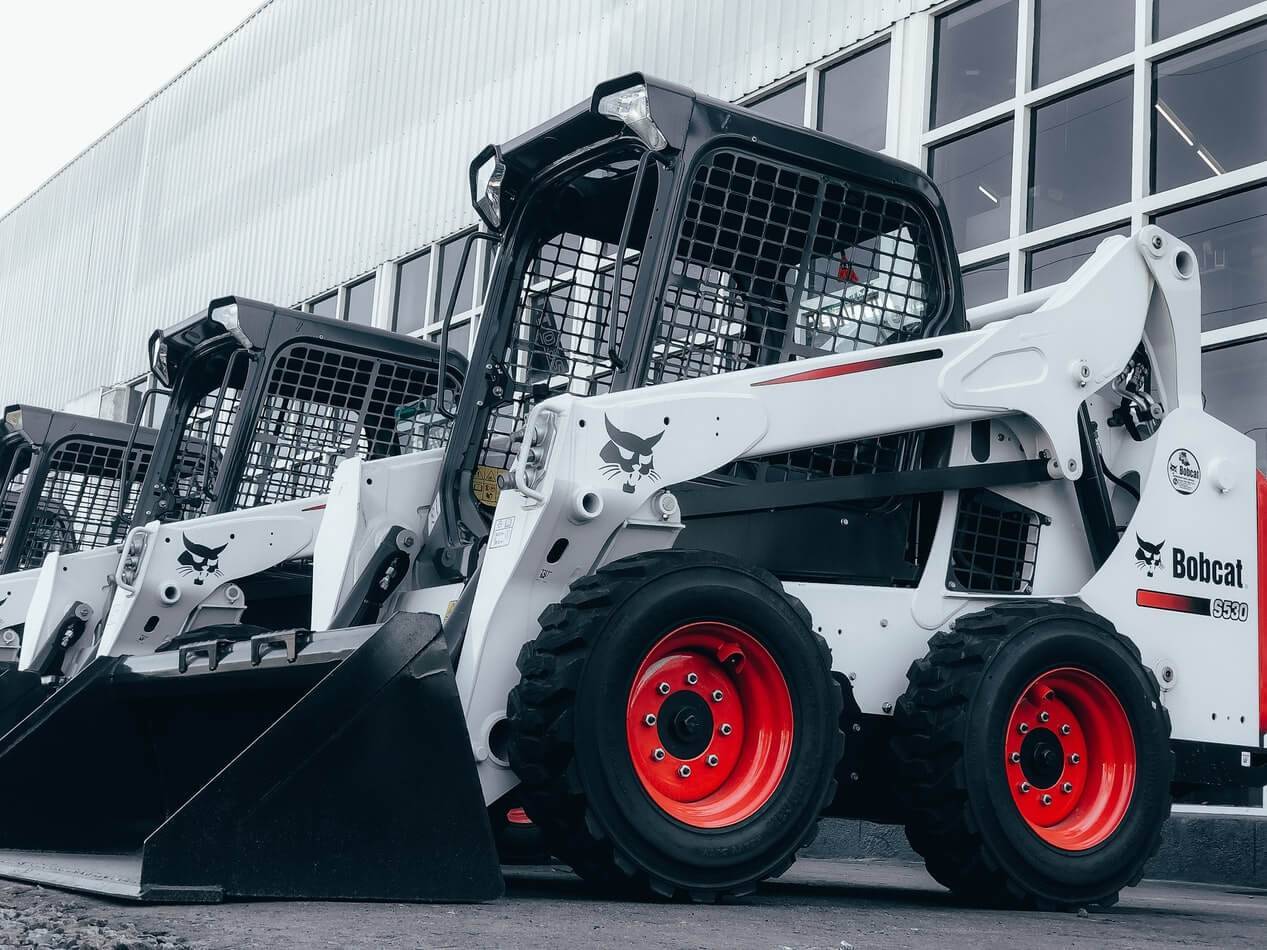

Been seeing these machines everywhere lately? There’s a reason for that. Let’s cut through the noise and talk about what you’ll actually find on job sites these days.
Regular Wheels
Pretty much what you’d expect – your standard worksite buddy. Quick enough around the yard, won’t cost you an arm and leg to keep running. Just don’t try anything crazy in the mud.
The good stuff:
- Cheaper tires
- Zips around nicely
- Solid on concrete
Track Models
These things are built differently. Mud, snow, sand – doesn’t matter. Sure, they’re not winning any races, but they’ll get you through the rough stuff when wheels just won’t cut it.
Small Ones
Don’t knock ’em till you try ’em. These little machines squeeze through gates and doorways like nobody’s business. Perfect when you’re working in someone’s backyard or tight spots.
Big Units
Sometimes you just need the extra muscle. These aren’t exactly subtle – they’ll move mountains if you need them to. Just keep in mind they drink fuel like water and you’ll need a bigger trailer to haul them around.
Pick what works for your situation. No point getting fancy if you’re just moving pallets in a warehouse. But if you’re dealing with rough ground or heavy stuff? It might be worth spending the extra cash on something beefier.
Key Specifications to Consider

Shopping for a used skid steer? Let’s skip the fluff and talk about what actually matters. Here’s what you need to watch for before dropping your cash.
Lifting Power
First thing’s first – how much can it lift? The small ones handle about 1,300 pounds, while the big boys can toss around 2,200 pounds or more. Think about what you’re moving – aggregate, sand, or debris? Better go bigger.
Engine Grunt
More horses under the hood means more umph but also means more trips to the gas pump. The little guys start around 50 HP. Need to run a mulcher? Look for something pushing 75 HP or more.
Hydraulic Muscle
Here’s something folks often miss – hydraulic flow rate. Running basic stuff? Standard flow (17-22 GPM) works fine. But if you’re planning on heavy-duty attachments, you’ll want that high-flow system pushing 30+ GPM.
Wheels or Tracks?
Pretty simple really – wheels for solid ground, tracks for rough stuff. Wheels cost less to maintain but won’t get you far in mud. Tracks eat up more cash but they’ll keep you moving when wheels just spin.
Bottom line? Match the machine to your job. No sense paying for power you won’t use, but don’t cheap out if you need the muscle.
The Real Players in Used Skid Steers
Let’s talk about brands that actually hold up. Not all machines are built the same, and your wallet will thank you for knowing the difference.
Bobcat
These guys pretty much wrote the book on skid steers. You’ll find parts everywhere, and most mechanics can fix them in their sleep. The S650 and T770? Rock solid choices that keep running year after year.
CAT
Built like tanks, these yellow machines take a beating and keep going. Their hydraulics are top-notch, and they sell fast when you’re done with them. That 226B3 mode is a pure workhorse for moving material.
Kubota
Farm folks love these. The SVL75-2 just keeps showing up to work, day after day. Hydraulics are strong enough to handle whatever you throw at ‘em.
Worth a Look
- John Deere builds them farm-tough
- Case keeps it simple – easy to wrench on when needed
- New Holland won’t break the bank, decent return when you sell
Bottom line? Bobcat and CAT lead the pack, but don’t sleep on Kubota. They all have their sweet spots – it just depends what you need done.
Finding Your Next Skid Steer
Looking for used construction equipment? Let’s talk shop, and where you should be looking. There’s more than one way to skin this cat.
Dealer Lots
Yeah, you’ll pay more at the dealer. But hey – at least you’re not buying someone else’s headache. Most throw in a warranty, and they’ve usually given the machine a decent once-over. Plus, these folks actually want you coming back next time. One very important thing to consider if you’re looking to finance the skid steer, buying from a dealer will be easier versus buying from a private party seller.
Auction Houses
Deals? Oh yeah. We’re talking maybe 30% off dealer prices if you play it right. Just remember – nobody’s holding your hand here. What you see is what you get, and sometimes what you don’t see is what gets expensive.
Joe Down the Street
Buying private’s usually the cheapest way in. But buyer beware, you better know your stuff or bring someone who does. That smoking deal might leave you with an actual smoking machine. Trust your gut on this one.
Ex-Rental Fleet
Don’t write these off just because they’ve been around. Rental yards usually keep their stuff running right. High hours aren’t always a deal-breaker if they’ve been maintained.
Look, if you’re green to all this, maybe stick with a dealer. Been wrenching on these things a while? Then auctions or private sales might be your jam. Just don’t let dollar signs make you stupid.
Real Talk: Before You Buy That Skid Steer
Been looking at used machines? Hold up a minute. Here’s what the old-timers check before they lay down cash.
No-BS Checklist
Nobody likes surprises after the deal’s done:
- Maintenance records tell the real story
- Listen for funky noises, look for drips
- Weak hydraulics? That’s trouble brewing
- Past 3000 hours? Better have deep pockets
What They’re Going For
Cheap Stuff: 10-20k – Old warriors with battle scars. Might end up costing more to maintain.
Right Price: 20-35k – Honest machines that’ll put in work.
Fancy Pants: 35k+ – Cherry machines. Barely broken in.
The Money Pits
These’ll sneak up on you:
- Transportation: Getting it home or to your shop costs extra
- Insurance: Liability and Theft, both need to be covered
- Parts/Repairs: Lately, both aren’t getting cheaper
Yeah, auctions might save you some dough. Maybe 30% if the stars line up. Just don’t come crying when something breaks and there’s nobody to call.
Words to the wise – take someone who knows their stuff. That “steal of a deal” might just steal your wallet.
Money-Making Attachments Worth Having
Let’s talk about gear that actually pays for itself. These aren’t just fancy add-ons – they’re workhorses that turn your skid steer into a year-round money maker.
Snow Season Stuff
When winter hits, you better have more than just a bucket. Here’s what works:
- Regular Plow – Gets the job done on driveways
- V-Plow – Now you’re talking. Busts through the nasty stuff
- Blower – Throws snow clear across the lot. Perfect when it’s deep
Pro tip: Don’t cheap out on blade size. Sure, that 72-inch looks good on paper, but you’ll wish you had the 84 when you’re still pushing snow at midnight.
Brush Busting Gear
Got land clearing jobs? Regular mowers just laugh at the tough stuff. Here’s what you need:
- Rotary Cutter – Eats saplings for breakfast
- Flail Mower – Makes short work of slopes
- Stump Grinder – Takes stumps down to China
Here’s the thing – check your machine’s flow rate. That fancy attachment won’t do squat if your skid steer can’t feed it enough juice. Need the big boy toys? Better have high flow (30+ GPM) or you’ll just be making noise.
Bottom line? Match your attachments to your work. The right tools make money. Wrong ones collect dust and cost money.
Pallet Forks & Post Hole Diggers
Simple but mighty. Pallet forks and post hole diggers turn a skid steer into a versatile workhorse on any job site. Forklifts move material fast, while augers take care of fencing, signposts, or planting trees. Both are essentials for a contractor’s toolkit.
Standard pallet forks (42-48″) lift and move pallets, logs, and lumber with ease. Go bigger with heavy-duty forks (60+”) to handle loads over 4,000 lbs. Post hole diggers come in 6- to 36-inch diameters – pick the right size auger bit for your soil. Rocky ground calls for direct drive or planetary gears.
Check your machine’s specs before buying. An 1,800 lb skid steer struggles with a fully-loaded pallet. And underpowered diggers just spin their wheels in dense earth.
Hydraulic Attachments
Some attachments need more than a quick hitch – they need hydraulic flow. Concrete mixers need at least 15 gallons-per-minute (GPM). Mulchers chew through brush best with 30+ GPM high flow. Hydraulic hammers crack concrete and asphalt with thousands of blows per minute.
Skid steers under 25 GPM can’t supply enough flow for the biggest tools. So, check your hydraulic flow rate before investing in high-demand attachments. With the right equipment, your skid steer transforms into the most versatile tool on site.
Step-by-Step Buying Process
Set a Budget
Setting a budget for a skid steer takes more than just the sticker price. Maintenance, fuel, repairs, and attachments all add up over time. Going cheap today could end up costing more tomorrow.
Used skid steers run $10,000 to $50,000 depending on age, hours, and condition. Tires are cheaper upfront than tracks, but tracks tend to outlast tires over years of use. Major repairs like an engine rebuild can run $5,000 or more.
So a $15,000 machine with 2,500 hours might be a better value than a $12,000 one with 4,000 hours, even though the price looks lower. Condition matters more than the numbers alone when buying used.
Choose the Right Type & Size
Choosing the right size machine for the job is critical, too. A big skid steer in tight spaces is useless, just like a tiny one trying to lift heavy loads.
- Compact skid steers (about 50 HP with 1,300 lbs lift capacity) work great for landscaping and other light-duty jobs where space is limited.
- Mid-size models (60-70 HP and 1,800+ lbs capacity) handle most general construction and farm work.
- Heavy-duty machines (75+ HP and 2,200+ lbs capacity) take on demolition, forestry, and other jobs needing serious muscle.
Tracks provide grip on soft ground, while wheels work best on hard surfaces. Getting the wrong size machine means you’ll probably regret it down the road.
So set a realistic budget and choose the right skid steer for your needs from the start. It pays off in the long run.
Research Brands & Models
Not all skid steers keep chugging down the road. Some models break down more than others or lose value fast. The best balance is durability, easy repairs, and strong resale value years later.
Bobcat has a reputation for reliable machines that are easy to fix when they do break. Parts stay available for decades too. That’s why Bobcats tend to hold value and resell quicker.
Caterpillar (or CAT) skid steers are on the high-end. They boast tough frames and top-notch hydraulics built to last. So, CATs bring strong money on the used market.
Kubota offers smooth operation and great durability, especially for agricultural use. Their excellent dealer network is a plus for parts and service.
Surprisingly, older generations of skid steers often outlast newer models. All those fancy electronics on today’s machines just mean more things to break! Simple and sturdy still wins.
Find a Trusted Seller
Where you buy matters almost as much as what you buy. Scoring a “good deal” from the wrong seller can turn into a nightmare.
Dealers offer warranties and maintenance records but charge higher prices. Private sellers are cheaper, but require thorough inspection since it’s “buyer beware.” Auctions sometimes have great deals, but with no guarantees about condition.
Always ask for maintenance logs. No history? Walk away. And beware of sellers who repaint machines to mask wear. Check under the hood, not just the paint! Your machine is only as good as the seller’s reputation.
Inspect & Test the Machine
Looks can be deceiving when buying a used skid steer. A proper inspection before purchase can save thousands down the road. Here’s what to check:
- Hydraulics – Listen for leaks, test the pressure, and watch for jerky arm movements. All signs of issues.
- Engine – Check oil levels, listen for knocks or rattles, and test how it starts from cold. Problems here mean big repairs.
- Undercarriage – Inspect tracks, rollers, and the frame for damage or excessive wear. Major drivetrain repairs get expensive fast.
Always run the machine for at least 15 minutes. Hydraulic weaknesses or overheating often only show up once the machine is operating.
Negotiate & Finalize Purchase
When negotiating the price, expect the seller to come down – never pay full asking price upfront. But also know when to walk away if a deal seems fishy.
Compare prices of similar model skid steers for sale to gauge fair market value. Point out any flaws or repairs needed to ask for a lower price. See if the seller will throw in extra buckets, forks, or attachments to sweeten the deal.
Finally, go over all paperwork thoroughly before signing. Buying a stolen skid steer will be one headache you don’t ever want to experience! Make sure there’s no liens, financing holds, or issues with the ownership that could cause legal headaches later. A “cheap” skid steer isn’t much of a bargain if it comes with problems attached!
Final Thoughts
A used skid steer can be a smart investment for the working man—if you avoid the lemons. Sticking with trusted brands like Bobcat or CAT, thoroughly inspecting the machine before committing, and taking your time with the search will pay off in the long run. Rushing into a deal often leads to costly mistakes and repairs down the road.
These machines are the backbone of many job sites and farms, and with proper care, old iron can still run strong. While buying used requires more effort, choosing a well-maintained model beats high payments on something brand new.
Before committing, test the hydraulics, check the engine oil, inspect the undercarriage, and run the skid steer for at least 15 minutes. Small issues like leaks or unusual noises can quickly become big problems.
Don’t hesitate to point out flaws and negotiate—sellers expect it. And if something feels off, be ready to walk away. Rusted bolts and faded paint might not look great, but they often hide fewer problems than a shiny coat of paint that could be masking bigger issues.
By taking your time and knowing what to look for, you’ll end up with a skid steer that works as hard as you do—without the headaches. The effort you put in now will pay off when you see that “Check Engine” light stay off.
If you’re ready to make your purchase more affordable, equipment financing can help. Get in touch with us today and find the right financing solution for your needs!