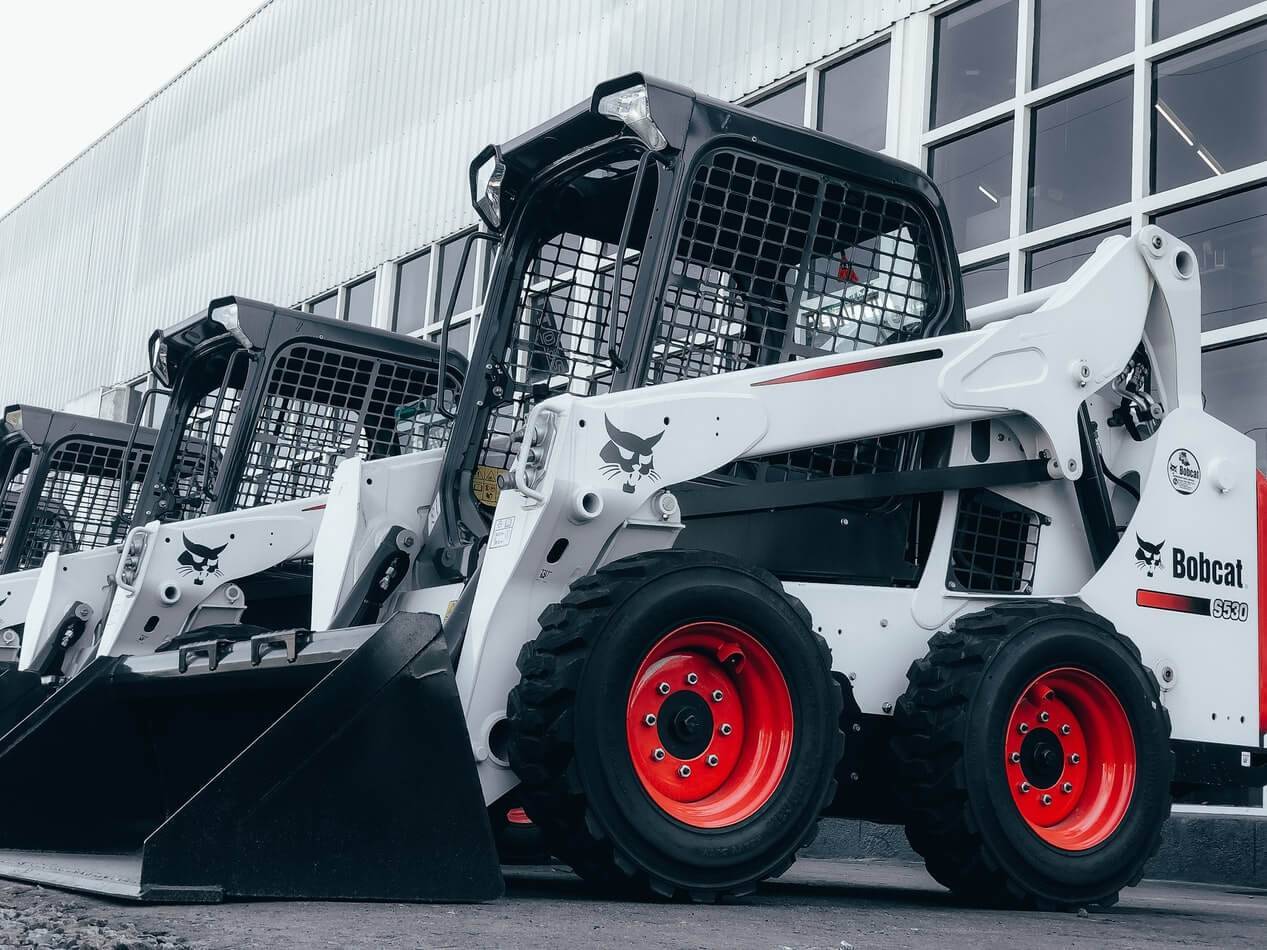

For many small business owners, owner-operators, and independent contractors, the biggest obstacle to growth isn’t a lack of work—it is a lack of equipment. Whether you are looking to add a new excavator to your construction fleet, upgrade to a more reliable semi-truck, or replace an aging tow truck, the price tag of new machinery can be a major hurdle. However, equipment financing provides a strategic pathway to acquiring the tools you need without exhausting your cash reserves. By utilizing specialized lending, you can preserve your liquidity while tapping into massive tax advantages that drastically lower your total cost of ownership.
How Equipment Financing Reduces Capital Expenses for Hardworking Entrepreneurs
In the world of blue-collar entrepreneurship, cash flow is everything. When you pay for a large asset in full, you are locking up liquid capital that could have been used for payroll, fuel, maintenance, or emergency repairs. When you choose to reduce capital expenses through financing, you keep your cash working for you. Financing allows the equipment to pay for itself as it generates income, effectively matching your monthly outflows with your monthly revenue.
At First Capital Business Finance, we recognize that traditional banks often make it difficult for small businesses to get a fair shake. They look for perfect credit and years of flawless tax returns. We take a different approach. Our goal is to make equipment financing accessible to those who need it most, like the people moving dirt, hauling freight, and building infrastructure. By focusing on the value of the asset and the strength of your business plan, we can often provide approvals where others see roadblocks.
“The biggest advantage of equipment financing is that it allows businesses to acquire the equipment they need today while spreading the cost over the life of the asset, which significantly improves cash flow management.”
Maximizing Tax Benefits of Equipment Financing with Section 179
Perhaps the most compelling reason to finance rather than lease or wait to save cash is the Section 179 deduction. This specific part of the IRS tax code was designed to encourage small businesses to invest in themselves. It allows you to deduct the full purchase price of qualifying equipment from your gross income in the very first year you put it into service.
This creates significant equipment loan savings. Under traditional depreciation, you might only be able to write off a fraction of the equipment’s value each year. With Section 179, you can take the whole deduction at once. If you finance a $150,000 piece of machinery, you could potentially lower your taxable income by that full amount this year, even if you have only made a small down payment. Depending on your tax bracket, the actual cash savings on your tax bill could be worth more than the total interest you pay over the life of the loan.
Understanding the Power of Tax Benefits of Equipment Financing
When you look at the tax benefits of equipment financing, it’s important to understand that this isn’t just a “delay” in taxes; it is an immediate injection of capital back into your business. For many contractors, the tax refund or reduction in tax liability can be used to fund the first several months of the equipment’s payments, making the acquisition almost “cash-flow neutral” in the short term. This allows you to scale your operations rapidly without the traditional financial strain associated with growth.
Reducing Upfront Costs: Keeping Your Working Capital Liquid

Many people assume that a bank loan requires a massive down payment. While some programs do, our flexibility allows for various structures, including low down payment options. By keeping your upfront costs low, you ensure that your business stays resilient. A sudden spike in diesel prices or an unexpected repair on another vehicle won’t put you in a bind because your capital hasn’t been sunk into a single machine. The goal is to reduce capital expenses at the point of purchase, allowing for a more stable and predictable financial forecast.
Furthermore, equipment loans are often easier to qualify for than general business lines of credit. Because the equipment serves as collateral, the risk to the lender is mitigated. This is why we are able to offer specialized programs for those with “less than perfect” credit. We believe that a past financial struggle shouldn’t prevent a hardworking person from getting back on their feet and growing their company.
Common Equipment Types That Qualify for Financing:
- Construction Machinery: Excavators, skid steers, bulldozers, and backhoes.
- Transportation: Semi-trucks, sleepers, day cabs, and box trucks.
- Vocational Vehicles: Tow trucks, dump trucks, and cement mixers.
- Landscaping and Agriculture: Tractors, mowers, and specialized irrigation equipment.
The Long-Term Value of Equipment Loan Savings
Beyond the immediate tax breaks, equipment loan savings manifest in the form of operational efficiency. Older equipment is more likely to break down, leading to costly downtime and missed deadlines. By financing newer, more reliable equipment, you are reducing your maintenance costs and increasing your billable hours. In many cases, the monthly payment on a new machine is lower than the combined monthly cost of repairs and lost productivity on an old one.
Additionally, when you finance, you are locking in your costs. In an inflationary environment, paying for equipment with “tomorrow’s dollars” while generating revenue at today’s rates is a classic hedge against rising costs. Your payment stays the same, even as the market rate for your services increases. This fixed-cost structure is a massive advantage for long-term planning.
Strategic Growth for Bad Credit Borrowers
One of the unique aspects of working with a specialist like First Capital Business Finance is our ability to help you use equipment financing as a tool for credit repair. Consistent payments on an equipment loan are reported to credit bureaus, helping to build your business credit profile. This makes it easier and cheaper to borrow in the future. We don’t just want to help you get one truck; we want to help you build a fleet.
If you have been told “no” by a bank because of a low credit score or a lack of time in business, don’t be discouraged. We offer programs tailored for startups and for those who have faced bankruptcy or repossessions in the past. We look at the “now”, which are your current contracts, your industry experience, and the quality of the equipment you are looking to buy.
How to Get Started with Your Equipment Loan

The process of securing an equipment loan should not be a month-long ordeal. In the fast-paced worlds of trucking and construction, if you can’t get the equipment quickly, you might lose the contract. That is why we have streamlined our application process to be as fast as possible. Most of our clients receive a decision within 24 to 48 hours, allowing them to move forward with their purchase with confidence.
To maximize your tax benefits of equipment financing, it is always a good idea to consult with your CPA or tax professional. They can help you determine exactly how Section 179 will impact your specific tax situation. Once you have a clear picture of your tax needs, our team can structure a loan that fits your budget and your growth timeline.
Remember, the goal of financing is to provide you with the leverage needed to reach the next level. Whether that means taking on more jobs, hiring more drivers, or simply having the peace of mind that your equipment won’t let you down in the middle of a big project, we are here to support that mission. You can read more about our semi-truck financing options or check out our guide on how to identify and avoid stolen equipment during your search.
Conclusion: Investing in Your Future
Choosing to finance your business equipment is a decision that impacts every facet of your operation, from your daily cash flow to your annual tax bill. By leveraging equipment financing, you are making a choice to grow responsibly, protect your capital, and take full advantage of the incentives provided to small business owners. Don’t let high upfront costs keep you on the sidelines.
If you are ready to see what your business is truly capable of, it is time to talk to a specialist who understands your industry. We’ve helped thousands of contractors and owner-operators across the country secure the machinery they need to thrive. Let’s discuss your goals and find a path to getting you behind the wheel or in the operator’s seat. Contact us today at First Capital Business Finance, and let’s get to work.
Industry Statistic: According to the Equipment Leasing and Finance Association, 79% of U.S. companies use at least one form of financing to acquire equipment, a testament to how vital these tools are for maintaining operational liquidity.
Legal Disclaimer
The information provided is for educational and informational purposes only. The information on this website is not intended as legal advice and should not be used as a substitute for consulting a licensed attorney. Legal outcomes and laws can vary by jurisdiction, and only a qualified lawyer can provide guidance tailored to your situation.