
Big rigs take a real beating out there. Day in, day out, these road warriors haul massive loads through everything Mother Nature throws at them. No wonder they need some TLC to keep rolling strong!
Think of a semi like an athlete – it needs regular check-ups to stay in the game. Smart truckers know that keeping up with maintenance isn’t just about avoiding breakdowns – it’s about saving money and staying safe on those long hauls.
Routine Maintenance
Here’s what keeps these beasts purring:
- Fresh oil and filters (because nobody likes a grumpy engine!)
- Tire care – rotation and alignment to keep the rubber meeting the road right
- Brake checks – because stopping power is kind of important
- Fluid levels – keeping all systems happy and hydrated
Here’s the real deal: treat your rig right, and it’ll cruise past a million miles. Skip the maintenance? Well, that’s just asking for trouble – and a whole lot of expensive headaches down the road.
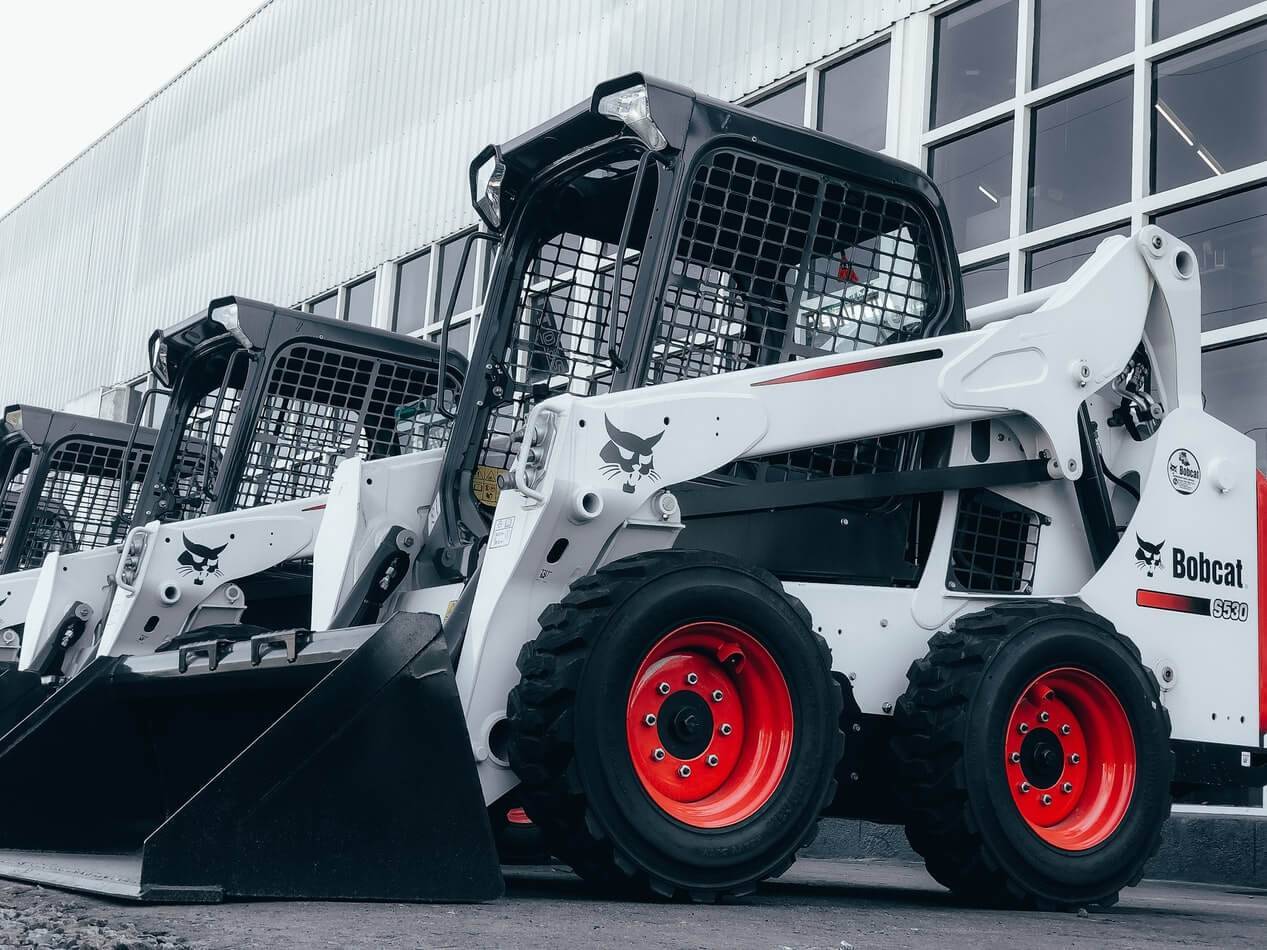
Just like those skid steers in the yard, these workhorses need their regular spa days to keep crushing those miles!
Brake System Repairs
The brakes on a big rig are the most important safety feature. With trucks weighing tons, brake failure can be really bad. Some common problems are:
- Brake pads and rotors get worn down. Makes it take longer to stop.
- Hydraulic lines leak. Brakes lose pressure.
- Air brakes get faulty. Needs regular checks to follow government rules.
Brakes should be looked at every service stop. Lots of wrecks happen from bad brakes. Fixing and checking brakes is a must.
Engine & Transmission Repairs
Engines and transmissions take a beating day to day. New diesel engines are built tough but still need checkups and service. Some issues are:
- Fuel injectors fail. Causes misfires and worse gas mileage.
- Turbos have problems. Less power and more emissions.
- Transmissions slip. It makes shifting get erratic.
Ignoring engine trouble can make them fail completely. That’ll cost tens of thousands to rebuild or replace often. Regular checks can catch problems early and keep repairs affordable.
Electrical System Repairs
Trucks today got electronics all over. When something goes bad, it can cause problems like:
- Dead batteries – usually from alternator or wiring problems.
- Faulty lights – Brake or turn signals not working means violations.
- Starter motors fail – Keeps the truck from starting up.
Lots of electrical issues come from corrosion or loose wires. Regular checks can avoid surprise breakdowns from electrical faults.
Suspension & Cooling System Repairs
Suspension troubles make for poor handling, and cooling problems can overheat the engine. Common repairs are:
- Worn shocks and struts – Hurts ride and stability.
- Busted leaf springs – Can unevenly distribute weight.
- Radiator leaks – Leads to overheating and maybe engine damage.
Suspension and cooling work together for a smooth, reliable ride. Keeping them in shape reduces long-term wear on other parts.
Fuel System Repairs
The big rigs rumble down the highway, diesel engines growling as they haul their heavy loads. But those powerful motors need clean fuel to keep on truckin’ efficiently. Clogged filters can restrict the flow, cutting power to the wheels when she needs it most.
Leaky injectors lead to bad combustion and wasted diesel dripping onto the pavement. Broken fuel pumps prevent proper fuel from reaching the thirsty engine. Keeping the fuel system squeaky clean gives the best performance and mileage, saving money on every haul.
Emergency Roadside Assistance
Breakdowns don’t always happen when the repair shop’s in sight. Smart truckers sign up with services offering help on the road. Mobile mechanics can fix small issues on-site, getting the rig back on the road quickly.
Tow trucks haul disabled trucks to the nearest shop when they need the full auto doc treatment. Fuel delivery and jump starts get stalled trucks movin’ again in no time.
Having 24/7 roadside assistance means less downtime and deliveries stay on schedule. With a smooth-running diesel under the hood, truckers can focus on the open road ahead.
How to Choose a Reliable Semi Truck Repair Shop

Bad repair shops are everywhere, lurking like potholes on a dark highway. They’ll drain your wallet faster than a fuel leak, and that’s something no trucker needs.
Smart truckers check online ratings first – not just the stars, but what other drivers say in the comments. Those 2 AM breakdowns need reliable help, and shops with 24/7 service (plus mobile repair trucks) are worth their weight in gold.
Look for ASE certifications hanging on the wall. Good shops got ‘em, and their techs know their stuff. They’ve probably fixed more Jake Brakes and DEF systems than most folks have had hot dinners.
Here’s what separates the pros from the pretenders:
- Quick response times (under 30 mins for emergency calls)
- Parts on hand (at least 80% of common components)
- Clear pricing (written estimates before work starts)
- Mobile service units (fully equipped trucks)
- Multiple service bays (minimum 4 for semi trucks)
- Do they offer financing for the repairs (repair loans for semi trucks & trailers)
The best shops have diagnostic computers that can talk to every engine made since 2010. They’ll find problems fast, fix them right, and get trucks back on the road where they belong.
Most truckers figure about $150-200 per hour for labor at good shops. It might seem steep, but cheap work isn’t good and good work isn’t cheap. Better to pay once and do it right.
Smart Maintenance: The Money-Saving Secret Most Truckers Miss
Trucks break down. That’s just physics and friction doing their thing. But the smart money knows that a wrench turning in the shop beats a tow truck on the highway any day of the week.
Numbers don’t lie – spending $200 on maintenance today saves about $5,000 in emergency repairs down the road. Those regular oil changes (every 25,000 miles with synthetic) and brake checks (every 15,000 miles) keep trucks rolling when others are sitting dead on the shoulder.
The math works out pretty simple:
- Oil changes: $350-400 per service
- Full brake inspection: $200-275
- Cooling system flush: $300-400 annually
- Basic PM service: $600-800 quarterly
Trucks that get their scheduled maintenance use about 5-8% less fuel too. That’s roughly $3,000 saved per year on a typical long-haul route. Plus, well-maintained rigs last about 200,000 miles longer than neglected ones.
Most fleet managers shoot for 95% uptime on their trucks. Regular maintenance gets them there. The best shops keep detailed service records and remind drivers when it’s time for the next check-up.
Keep track of your maintenance costs – if they start creeping up, something bigger might be brewing. And always get the oil analyzed, it’s like a blood test for your engine.
Big Chain or Local Shop: The Choice That Makes or Breaks Your Repair Bill
Most truckers face this choice sooner or later – pull into the big-name chain store with its fancy signs and national warranty, or trust their rig to the local shop where Mike’s been fixing trucks since before GPS was a thing.
National chains got their perks. They’re everywhere (usually 50-75 miles apart on major routes), and that warranty works at any location. Their standard labor rate runs about $165-185 per hour, and most guarantee parts availability within 24 hours.
Local shops though, they got something chains can’t buy. They know which trucks struggle in mountain passes and what breaks down in the summer heat. Their rates typically run $125-150 per hour, and they’re more likely to work with you on pricing.
Here’s what matters most:
- Parts availability (within 4-6 hours)
- Labor rates per hour
- Warranty coverage area
- Emergency response time
- Payment terms flexibility
Owner-operators usually save 15-20% at independent shops. Fleet managers might prefer national chains for the consistent billing and service records. Both works,it just depends on what fits your operation better.
Watch those labor minimums though – some chains charge 2 hours minimum even for quick fixes. Local shops tend to be more flexible, and might only charge actual time spent.
Smart Money: Getting More Bang for Your Repair Buck
Nobody likes surprise repair bills. They hit like deer in the night – sudden and expensive. But truckers who know the system save big money through repair programs that most folks don’t even know exist.
The AdvantEDGE program knocks about 15% off regular repair rates. That’s real money when you’re looking at a $3,500 turbo replacement. Members usually save between $2,000-4,000 yearly on maintenance costs alone.
These programs pack some serious perks:
- Labor discounts (10-20% off standard rates)
- Parts markdowns (up to 25% on major components)
- Priority service scheduling
- Guaranteed repair times
- No-hassle warranty claims
Fleet maintenance plans cut even deeper – some offering up to 30% off regular prices when you’re running 10+ trucks. The National Casing program saves about $75-100 per tire through their exchange system.
Prepaid maintenance plans spread costs over time. Instead of dropping $2,500 at once, you might pay $250 monthly. Plus, most shops give better rates when they know they have steady work coming.
Sign up for more than one program if you can. Different networks cover different areas, and having options never hurt anybody’s wallet.
Another great solution is to obtain a commercial vehicle title loan. If you own your truck, trailer or commercial vehicle outright, you can use it as collateral to obtain some working capital to pay for those repairs or maintenance. Unlike traditional loans, these programs allow for lower credit grade applicants!
Best Semi Truck Repair Shops That Won’t Leave You Stranded in Colorado

Finding good truck repair in Colorado means knowing who’s got the tools and who’s just got to talk. These shops have earned their stripes fixing rigs in mountain conditions where breakdowns aren’t just inconvenient – they’re dangerous and can be costly.
McCandless Mobile keeps trucks running with their 24/7 service. Their techs drive fully-loaded repair trucks (carrying about $50,000 in parts inventory) and usually show up within 45 minutes of a call. Most jobs get wrapped up right there on the shoulder.
Jim’s might not have the fanciest shop, but their diesel diagnostics are spot-on. They have computer systems that can talk to every engine made since 2000, and their techs average 15 years of experience each.
Denver Mobile’s got the highest ratings around – probably because their electrical repair success rate tops 90%. Their response time averages 30 minutes in metro areas, and they stock parts for all major truck brands.
Colorado Truck Repair owns that transmission work. They got 8 bays dedicated just to transmission repairs, and their rebuild warranty runs 24 months or 100,000 miles.
Wiers handles the big fleets, but they’ll work on single trucks too. Their labor rates run about $155 per hour, and they have enough parts on hand to fix most problems the same day.
These shops all take major credit cards and offer some type of emergency service. The smart move is to program their numbers in your phone before you need them.
When Your Truck Quits: The Smart Driver’s Guide to Getting Rolling Again
Nobody plans on breaking down, but smart drivers plan for it. That first five minutes after your truck dies tells the whole story – either you know what to do, or you’re gonna learn the hard way.
First thing: get that rig somewhere safe. Highway shoulders aren’t repair shops, and too many drivers get hit there every year. Once you’re clear, those flashers (emergency hazard lights) better be working. They’re required by law in all 50 states.
Mobile repair trucks usually show up within these times:
- Metro areas: 30-45 minutes
- Major highways: 45-60 minutes
- Rural routes: 60-90 minutes
- Remote locations: 2+ hours
Basic roadside fixes run about $250-400 plus parts. That’s way cheaper than a tow, which starts at $750 and goes up fast ($4.50-$6.00 per mile). Most mobile techs carry common parts like belts, hoses, and batteries.
Keep those national breakdown numbers handy. The good ones got GPS tracking so you can watch your help getting closer. Some even text you the tech’s name and truck number.
If the engine’s knocking or the transmission’s grinding, don’t try limping it to a shop. That’s how $2,000 repairs turn into $10,000 nightmares.