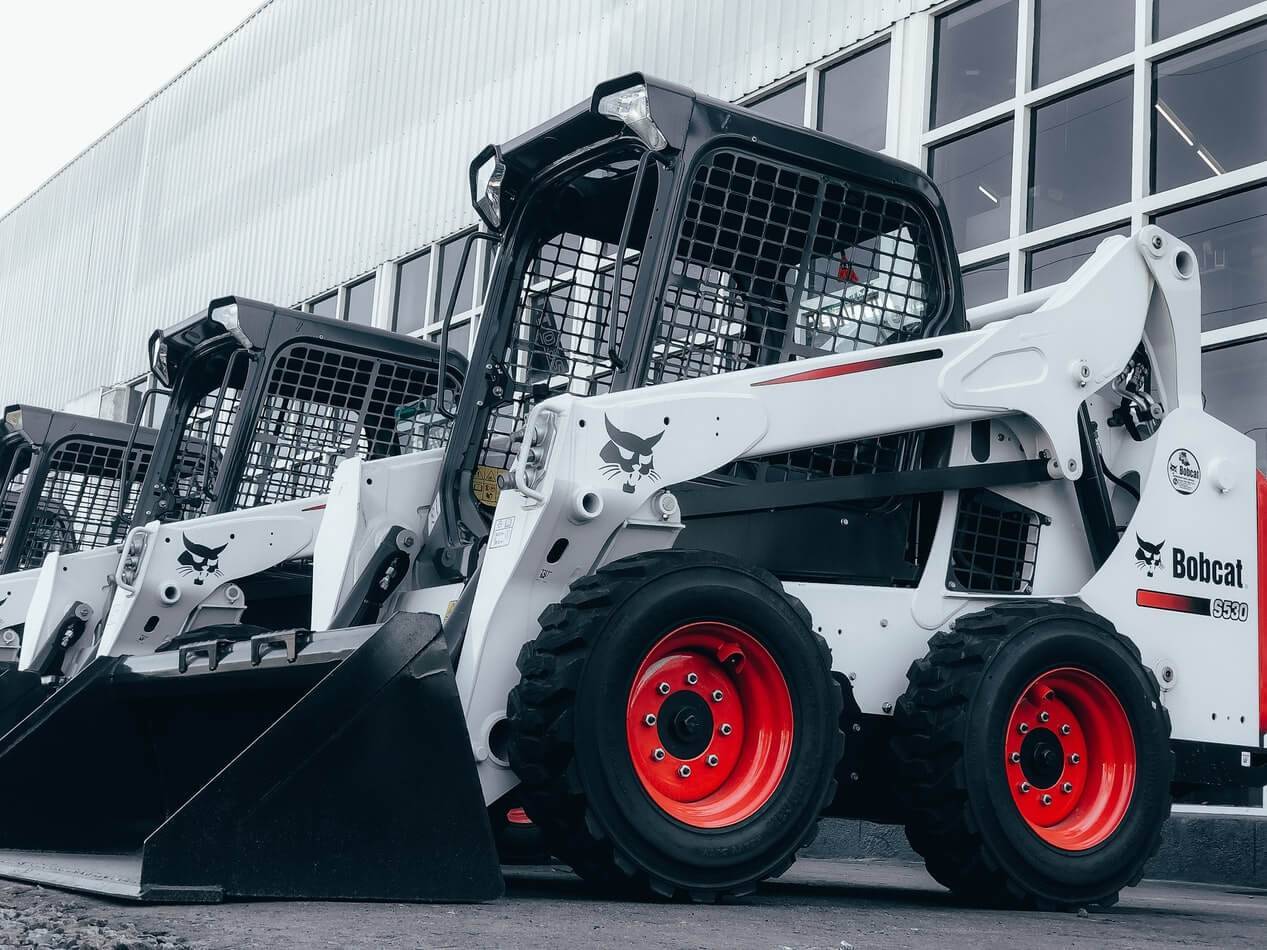

Heavy equipment is expensive, and most businesses do not want to drain their cash just to buy one machine. If you run a construction company, a grading crew, a paving business, a farm operation, or a growing service company that depends on large machines, financing can help you add equipment while keeping more cash available for payroll, fuel, repairs, and day-to-day operations. At First Capital Business Finance, we help business owners look at the full picture, including heavy equipment financing options, approval factors, rates, loan versus lease decisions, and what it takes to fund equipment that supports real business growth.
TLDR:
- Heavy equipment financing helps businesses buy or lease machines without paying the full cost up front. That can protect cash flow, support growth, and help companies take on more work sooner.
- Approval usually depends on the equipment, your credit, your time in business, your cash flow, and how much money you can put down. Startups can often qualify, but lenders may look more closely at personal credit, industry experience, and the overall strength of the deal.
- Equipment loans are often a better fit for businesses that want long-term ownership. Leasing can make more sense when lower payments, equipment flexibility, or regular upgrades matter more.
- Finance rates can vary based on risk, the type of machine, the age of the equipment, and the strength of the borrower. The best financing structure depends on your business goals, your budget, and how the equipment will be used.
- Heavy equipment financing is common because many businesses use it to preserve working capital while adding the machines they need. At First Capital Business Finance, we help business owners compare options clearly and choose a structure that supports real business growth.

Why Businesses Use Heavy Equipment Financing
Most companies do not buy excavators, bulldozers, loaders, skid steers, cranes, or paving equipment with cash unless they have a very strong balance sheet. Even then, many still choose financing because cash has other jobs to do.
A machine may help you complete jobs faster, add services, reduce rental costs, or support more crews. But one large purchase can leave your business stretched in other areas.
Main reasons businesses finance equipment:
Preserve cash flow
This is usually the first reason. Financing lets you spread the cost of the equipment over time instead of putting a large amount of capital into one purchase.
Get equipment faster
Waiting until you can pay the full price in cash can slow growth. If the equipment helps you start jobs, finish them sooner, or stop turning away work, financing may help you grow faster.
Match cost to revenue
That is often the practical reason behind the decision. The equipment earns money over time, so many businesses prefer a payment structure that lines up with the period when the machine is producing income.
Keep room for other expenses
Heavy equipment rarely comes alone. You still have labor, transport, insurance, maintenance, shop costs, materials, and fuel. Financing can help you keep room for those costs instead of locking everything into the purchase price.
What Heavy Equipment Financing Usually Includes
Heavy equipment financing is a broad category. It can include several deal structures depending on the lender, the borrower, and the type of equipment.

Looking to Get Qualified For Heavy Equipment Financing?
Common financing options
Equipment loans
An equipment loan is often the best fit when you want to buy and keep the machine for years. You make payments over time, and once the obligation is satisfied, the equipment is yours.
Equipment leasing
Equipment leasing can be a good fit when lower monthly payments or equipment flexibility matter more than long-term ownership.
Sale-leaseback structures
Some businesses already own equipment but need to free up capital. In a sale-leaseback, the equipment is sold and then leased back so the business can continue using it while creating cash flow from the asset.

How Equipment Loans and Leasing Differ
This is one of the biggest decisions a business owner has to make before financing equipment.
When a loan may make more sense
You want long-term ownership
If you plan to keep the machine for years, a loan often makes more sense than a lease. You are building ownership in the asset instead of paying for temporary use.
You expect long-term value from the equipment
Some machines stay useful for a long time in the right business. When that is the case, ownership can be worth more than short-term flexibility.
You want fewer limits on long-term use
A loan can be the cleaner fit if you know the equipment will stay in your business for the long haul and you want to control what happens to it after the term ends.
When leasing may make more sense
You want lower payments
Leasing often brings a lower monthly payment than an ownership-focused structure.
You may want to upgrade later
If your business prefers newer equipment on a regular cycle, leasing can make that easier.
You want to reduce depreciation exposure
Leasing can make sense for businesses that want to avoid carrying the full weight of depreciation on owned equipment.

What Affects Heavy Equipment Finance Rates
Rates are one of the first things buyers ask about, but there is no one-size-fits-all number. The cost of financing depends on the strength of the deal as a whole.
The main factors that can change your rate
Credit profile
Stronger credit usually creates more options and can support lower pricing. Weaker credit may still be workable, but the overall cost can increase.
Time in business
A business with operating history, bank activity, and a track record may look less risky than a newer company with little history.
Type and age of equipment
Newer machines and equipment with stronger resale value often fit cleaner approval profiles than older equipment with higher hours or more limited resale demand.
Down payment
More money down can reduce lender risk and sometimes improve the terms.
Industry and use case
A lender may look at whether the machine is central to revenue, how often it will be used, and whether the borrower’s business model supports the payment.
What Lenders Usually Look For
The details can vary from one lender to another, but there are a few approval basics that come up almost every time.
Key parts of an equipment finance application
Information about the equipment
Be ready with:
- year, make, and model
- seller quote or invoice
- purchase price
- equipment condition
- hours or mileage if relevant
- how the machine will be used
Credit and financial strength
For established businesses, lenders often review business strength and credit. For startups, personal credit may play a larger role.
Cash flow and payment ability
At the end of the day, the lender wants to know whether the business can make the payment and continue operating well.
Down payment or equity position
Some deals may qualify with little or no money down, while others may call for more cash upfront. That usually depends on the borrower, the equipment, and the overall risk profile of the transaction.
Heavy Equipment Financing for Startups
Startups often assume they will not qualify. That is not always the case.
New businesses can qualify for heavy equipment financing, but the file has to make sense.
What helps a startup application
Relevant industry experience
If the owner has operated equipment, managed jobs, or worked in the same trade before starting the company, that can help.
Strong personal credit
When business credit is thin or nonexistent, personal credit may carry more weight.
A clear business plan
Lenders want to see how the machine will be used and how the business expects to generate enough income to support the payment.
Good seller documentation
A clean equipment quote and a clear usage plan can strengthen the application.
What startups should expect
Startups may see:
- more document requests
- more reliance on personal credit
- closer review of experience
- different down payment expectations than other established businesses
That does not mean the deal cannot work. It means the story needs to be clear.
Financing Heavy Equipment for a Construction Fleet
Fleet growth is a different conversation from buying one machine. You are no longer vying only for ownership. You are accommodating for capacity, scheduling, job mix, and cash flow across multiple crews.
Why fleet financing matters
Add capacity without freezing cash
Buying several machines outright can put pressure on the business. Financing spreads that pressure out over time.
Support larger contracts
A larger fleet can help you take on more work, run more crews, or reduce delays caused by equipment shortages.
Reduce rental dependency
Frequent rentals can solve short-term problems, but over time, they may cost more than financing equipment that stays busy in your operation.
What fleet buyers should think about
Utilization
Do not finance equipment that will sit. The math works best when the machine is expected to stay productive.
Maintenance planning
More equipment means more service needs. The payment is only part of the cost.
Timing
Adding multiple machines at the wrong point in the cycle can put strain on cash flow. Growth is good, but timing matters.
How to Choose the Right Financing Structure
There is no perfect structure for every business. The better question is which structure fits the machine, the workload, and your cash position.
Good questions to ask before you apply
How long do you plan to keep the equipment?
If the answer is many years, a loan may be the cleaner fit.
Is payment size or ownership more important?
Some businesses care more about keeping payments low. Others care more about owning the machine in the end.
How stable is your backlog?
If your work is steady and predictable, you may be more comfortable taking on a larger monthly obligation.
Are you buying for growth or replacement?
A replacement purchase may be easier to justify because you already know the equipment is needed. Growth purchases can work too, but the revenue plan should be clearer.

How to Prepare Before Applying
Preparation can make a real difference. A clean file often moves faster and reads strongly.
Steps to take first
Know what equipment you want
Pick the machine, the seller, and the budget range before applying.
Gather your paperwork
That may include:
- business formation documents
- driver’s license or ID
- seller quote
- bank statements if requested
- equipment specs
- proof of down payment funds if needed
Review your budget honestly
Start with the payment your business can handle, not the largest machine you hope to buy.
Be direct about weak spots
Bad credit, short time in business, prior slow periods, or thin cash flow should be addressed early so the deal can be matched to the right financing structure.
Common Mistakes Businesses Make
Shopping only by rate
Rate matters, but it is not the whole deal. Term length, down payment, monthly payment, total cost, and equipment fit all matter too.
Buying more machine than the business needs
A larger machine is not always a better buy. It can raise both the payment and the operating cost.
Ignoring total ownership cost
Repairs, service, transport, attachments, insurance, and downtime all matter. The monthly finance payment is only one part of the bigger picture.
Applying before the file is ready
Missing documents, unclear equipment details, and shaky numbers can slow approval or weaken the application.
Final Thoughts
Heavy equipment financing is about finding a structure that fits the business. A startup may need a different approach than an established contractor. A company adding one excavator may need a different plan than a business building out a full construction fleet. Some buyers should own. Others may be better off leasing.
At First Capital Business Finance, we help businesses look at the full picture before moving forward. That includes the equipment itself, the budget, the terms, the long-term goal, and how the financing fits into the bigger plan for growth.