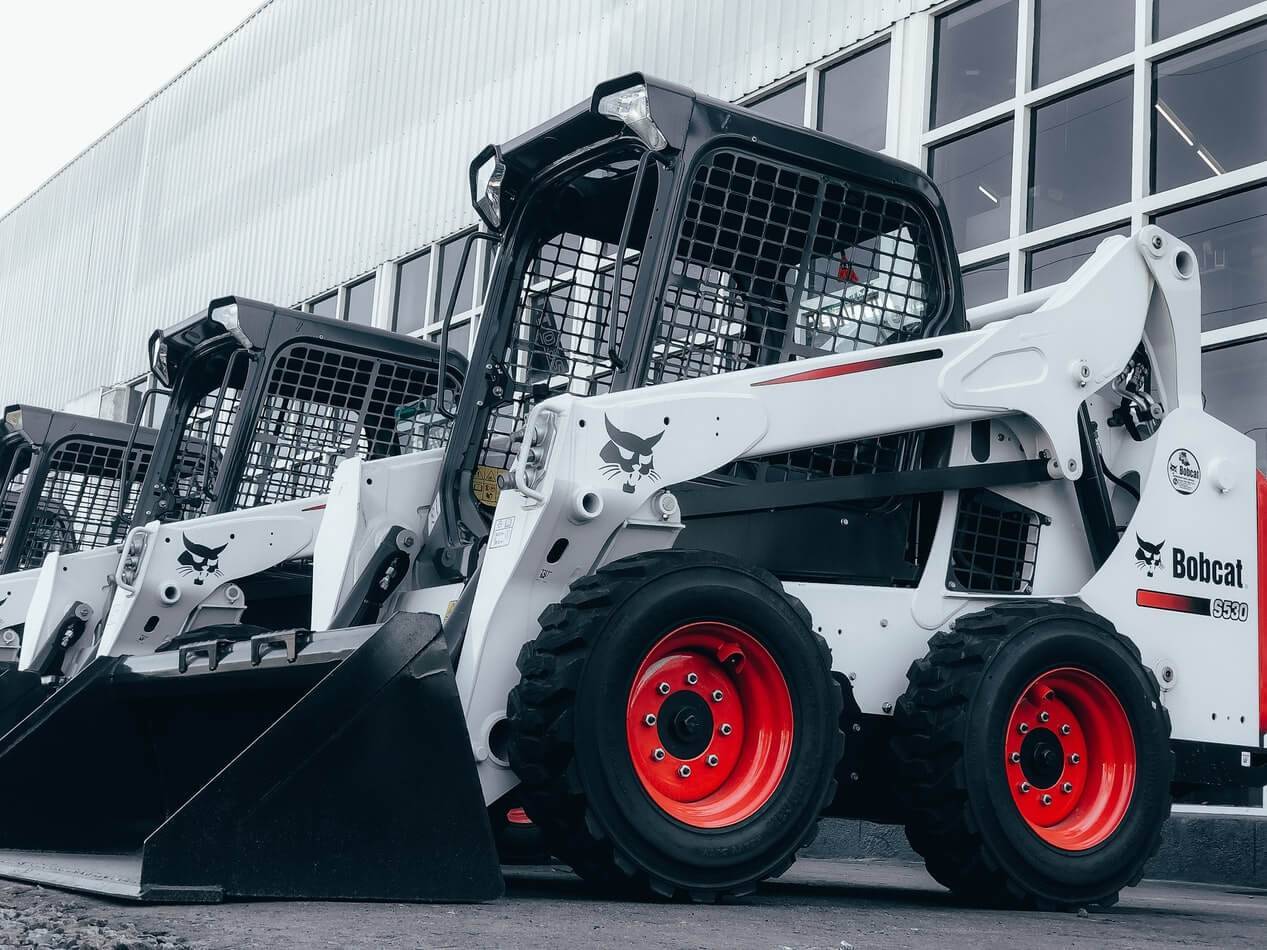

If you’re planning to grow your business and invest in the machinery necessary for expansion, financing heavy equipment can be a strategic and cost-effective solution. Not only does it help you preserve cash flow, but the tax benefits of financing heavy equipment from immediate deductions to long-term savings, can significantly reduce your taxable income. By fully understanding how these advantages work, you can make smarter financial decisions that positively impact your company’s bottom line and future growth.
Section 179 Deduction: A Major Tax Break for Equipment Financing
One of the most impactful provisions in the IRS tax code for business owners is Section 179. This deduction allows companies to write off the entire cost of qualifying equipment in the year it’s placed in service, rather than depreciating it over several years. And yes, it applies to financed equipment as well.
Why Section 179 Works Well with Heavy Equipment Financing
Even if you don’t pay upfront, Section 179 allows you to deduct the full purchase price, giving you the tax benefit now, while you pay over time. This is particularly advantageous for businesses that need to preserve working capital while investing in new or upgraded equipment.
“The Section 179 deduction is one of the few government incentives that truly helps small businesses. When your business buys qualifying equipment, you can deduct the full price from your gross income.”
Additional Tax Advantages of Equipment Loans and Leasing
Bonus Depreciation for Financed Equipment
In addition to Section 179, your business may be eligible for bonus depreciation. This incentive lets you depreciate a significant percentage of the equipment cost in the first year of use. For 2025, this rate is 60%, even on financed purchases.
According to the IRS, this benefit applies to most new and used heavy equipment that is placed in service before the end of the tax year.
Interest Deductions and Payment Flexibility
The interest on your financed equipment is generally tax-deductible as a business expense. Plus, structured monthly payments offer better cash flow management while still allowing you to take advantage of depreciation and deduction benefits.
Why Equipment Financing Beats Paying Cash for Tax Planning

Preserve Cash and Still Claim Deductions
Paying cash for heavy machinery might seem like the simplest option, but it can tie up valuable capital that your business could use elsewhere. Financing allows you to conserve cash for essential needs like payroll, marketing, inventory, or unexpected expenses, all while still benefiting from significant tax deductions. With options like Section 179 and bonus depreciation, you can write off a large portion or even the full cost of the equipment, even if you’re making monthly payments. This gives your business more financial flexibility without sacrificing the tax benefits.
Long-Term ROI and Tax Strategy Alignment
Financing heavy equipment doesn’t just help you manage upfront costs, it also supports a more strategic approach to long-term financial planning. By spreading payments over time while claiming major deductions in the current tax year, you’re creating a system where your assets begin generating returns immediately. This approach reduces your annual tax burden, improves ROI, and aligns your equipment purchases with a broader tax strategy that supports both current operations and future growth. Financing lets you invest in your business while keeping your tax planning proactive and efficient.
Industries That Benefit Most from Equipment Financing Tax Incentives

- Construction companies purchasing excavators, bulldozers, or cranes
- Trucking and transportation businesses acquiring commercial vehicles
- Manufacturing operations upgrading production lines or forklifts
In all of these sectors, equipment financing can dramatically reduce taxable income while increasing operational capacity.
How to Qualify for Equipment Financing with Tax Benefits
Not every lender is familiar with the ins and outs of business tax deductions. It’s important to work with a financing partner who understands your industry and can help you structure the deal to maximize your tax return. Learn more about the best equipment financing options tailored to your business type.
Make Tax Time Work in Your Favor
Don’t let tax season catch you off guard. By planning and leveraging the tax benefits of financing heavy equipment, you can reduce your taxable income, maintain strong cash flow, and still invest in the equipment your business needs to stay competitive and grow. At First Capital Business Finance, we help you navigate smart financing options that align with your year-end tax strategy. Talk to your accountant, and let us guide you toward flexible solutions designed to support both your financial goals and long-term success.
Financial Disclaimer
The information provided is for educational and informational purposes only. The content on this website is not intended to be a substitute for personalized financial advice. Please consult a certified financial professional before making any investment decisions or financial plans. Any financial information presented is for general informational purposes and does not constitute financial or investment advice.