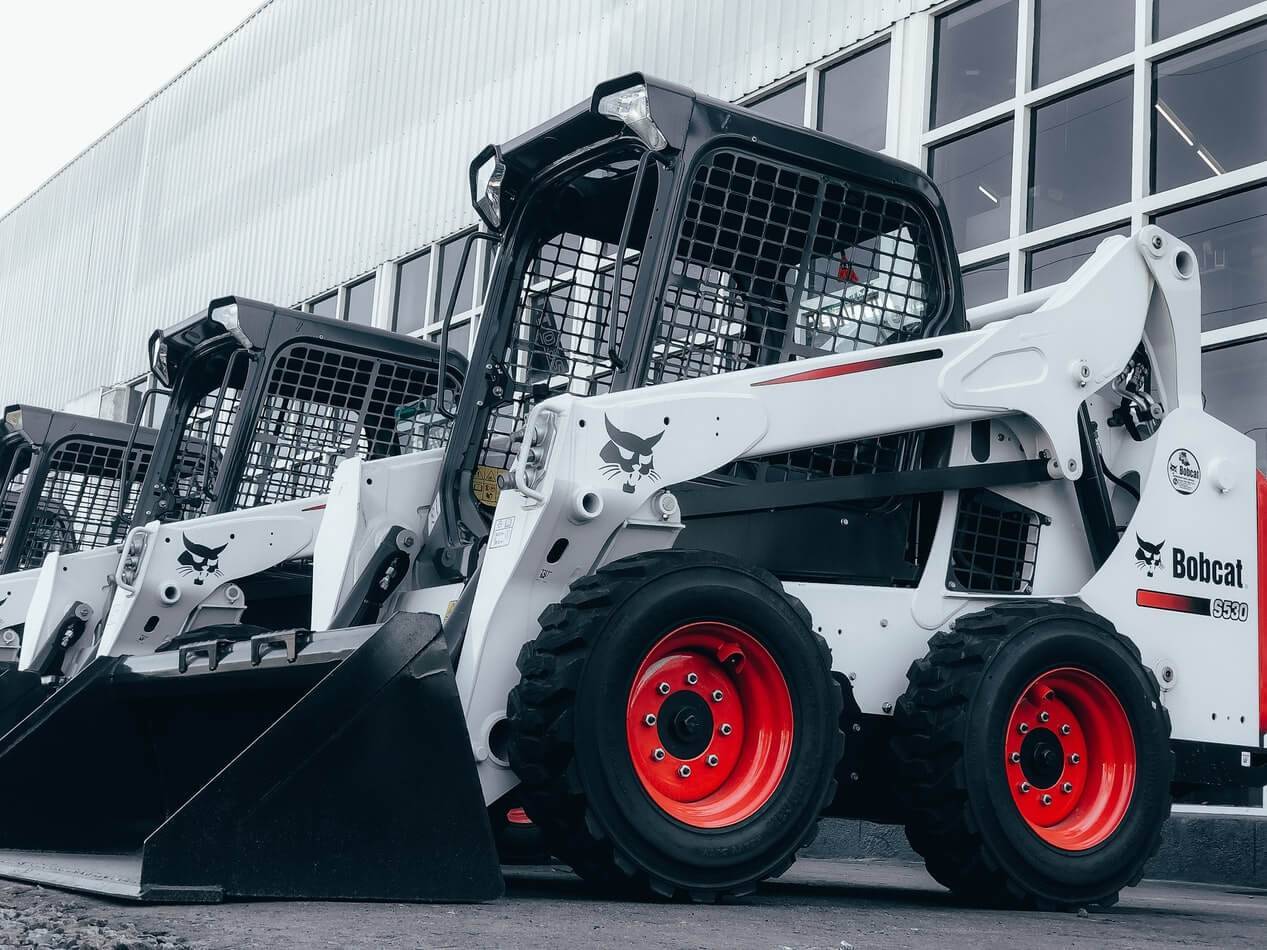

Acquiring heavy equipment like a backhoe is a significant investment for any construction business. When it comes to backhoe financing, business owners often face a critical decision: should they lease the equipment or take out a loan to purchase it? Each financing option has its own benefits and drawbacks, depending on the business’s financial situation and long-term goals. Understanding the difference between leasing and loans will help you select the most cost-effective equipment financing option for your construction business.
Understanding Backhoe Financing: Lease vs. Loan
When exploring construction equipment financing, the two most common options are equipment leasing vs. loans. Leasing allows businesses to rent equipment for a set period, typically with lower monthly payments, predictable costs, and no long-term ownership commitment. On the other hand, taking out a loan provides immediate ownership, with the equipment acting as collateral, offering greater control over the asset.
The choice between these heavy equipment financing options depends largely on how the equipment will impact your business’s cash flow, tax obligations, operational needs, and long-term financial goals. Leasing often provides tax-deductible payments, while loan payments may offer depreciation benefits over time, giving businesses more flexibility with their accounting strategies.
The Pros and Cons of Leasing a Backhoe

Leasing a backhoe can be an attractive option for businesses looking to preserve and improve cash flow and access the latest equipment without a hefty upfront cost.
Advantages of Leasing:
- Lower Initial Costs: Leasing typically requires little to no down payment, making it more accessible for smaller businesses.
- Easier Approval Process: Businesses with lower credit scores often find leasing approvals easier than loan applications.
- Equipment Upgrades: Leases often allow businesses to upgrade to newer models at the end of the lease term, keeping operations running with modern technology.
Disadvantages of Leasing:
- No Ownership: Monthly payments may be lower, but at the end of the lease term, the business doesn’t own the equipment.
- Higher Long-Term Cost: The total cost of leasing over several years can exceed the cost of purchasing equipment outright.
- Usage Restrictions: Many lease agreements come with mileage limits or wear-and-tear clauses, which can impact heavily used equipment.
The Pros and Cons of Taking Out a Loan for a Backhoe
Opting for a loan allows businesses to purchase the backhoe outright, turning the equipment into a valuable asset on their balance sheet.
Advantages of Loans:
- Full Ownership: Once the loan is paid off, the business owns the equipment and can continue using it without further payments.
- Equity Building: Equipment ownership builds equity, which can be used to secure future financing.
- Long-Term Cost Savings: Over time, purchasing equipment through a loan is often more affordable than leasing.
Disadvantages of Loans:
- Higher Upfront Costs: Loans typically require a down payment, which can tie up valuable working capital.
- Maintenance Responsibility: Owners are responsible for all repairs and maintenance, which can be costly for heavy machinery.
- Depreciation: Construction equipment loses value over time, which can reduce its resale value.
How to Choose the Best Financing Option for Your Business

Deciding between leasing and taking out a loan comes down to your business’s financial health, operational requirements, and long-term needs. Leasing is ideal for businesses that need the latest equipment without a large upfront investment or those handling short-term projects. However, if you plan to use the backhoe for several years, want to build equity, and have the budget for higher upfront costs, a loan may be the better option.
Key factors to consider include:
- Your available cash flow
- Business credit score
- How long you plan to use the backhoe
- Potential tax benefits
- Equipment maintenance and upgrade needs
- Future project demands
- Overall business growth plans
Unlock the Best Backhoe Financing Options with First Capital Business Finance
At First Capital Business Finance, we know every construction business has unique financial needs. Our heavy equipment financing options are built to help businesses secure the right solution—whether you’re expanding your fleet or upgrading to more efficient machinery. If you’re weighing equipment leasing vs. loans, our expert team will guide you toward the most cost-effective equipment financing plan that fits your budget, cash flow, and long-term goals.
Choosing the right backhoe financing solution can boost productivity, preserve cash flow, and help your business take on more projects—without straining your bottom line. Explore First Capital Business Finance’s flexible heavy equipment financing options today to find the best lease or loan solution for your backhoe needs!
Financial Disclaimer
The information provided is for educational and informational purposes only. The content on this website is not intended to be a substitute for personalized financial advice. Please consult a certified financial professional before making any investment decisions or financial plans. Any financial information presented is for general informational purposes and does not constitute financial or investment advice.